
Find Exhibitions
Poetry as Activism in Conversation with Chicory
Poetry as Activism in Conversation with Chicory showcases how artist-activists used their works as well as community publishing to organize for change. This exhibition is on view in conjunction with the traveling exhibition Soul of the Butterfly: Chicory Magazine and Baltimore’s Black Arts Activism.
Dates:
February 22, 2024 - March 25, 2024
Location:
Information Room
Categories:
Books (literary and historical), Literary and historical manuscripts
Alice Dunbar-Nelson and the Legacy of Black Women's ArchivesOn View
Dates:
February 6, 2024 - August 9, 2024
Location:
Special Collections Gallery
Categories:
Black Expression in Black and White: A Quest for National IdentityOn View
The ephemeral, or transitory, materials of print culture – newspapers, diaries, scrapbooks and more – are essential historical artifacts today as they often provide insights into what was left out of history books. In the 19th and 20th centuries, the materials of Black print culture were also instrumental in developing community and reflecting the Black experience.
In Black Expression in Black and White: A Quest for National Identity, visitors will learn how the editors, publishers, writers and creators of Black print materials drew on this sense of community to understand who they were as a culture, to fight for Black rights and to explore self expression through print mediums. The items on view include newspapers, scrapbooks, periodicals, books, manuscripts, and more that underscore the impact of these print materials and the changes they generated.
Dates:
February 6, 2024 - August 9, 2024
Location:
Lincoln Exhibition Case
Categories:
Building a Collection for Teaching: Helen Farr Sloan's Gifts to the University's MuseumsOn View
Dates:
February 6, 2024 - May 16, 2024
Location:
Old College Gallery
Categories:
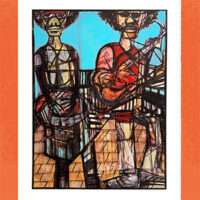
The Artistic Legacy of James E. Newton: Heritage and Character PortraitsOn View
Dates:
February 6, 2024 - May 16, 2024
Location:
Mechanical Hall Gallery
Categories:
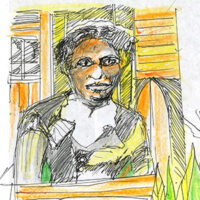
The Artistic Legacy of James E. Newton: The Archival RecordOn View
In The Artistic Legacy of James E. Newton: The Archival Record, visitors will explore how Newton built communities and changed the lives of those around him. Through artwork, photographs, articles, ephemera and other materials in Newton’s papers, which were recently acquired by the UD Library, Museums and Press, visitors will gain insights into his artistic output, his work as an educator both in the community and at the University, and his commitment to collecting and sharing Black history.
Dates:
February 6, 2024 - August 23, 2024
Location:
Information Room
Categories:
Personal and family papers, Drawings, Ephemera and realia, Periodicals, Photographs
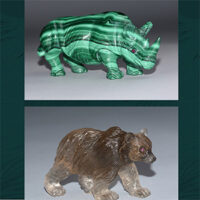
The Influence of Culture, Craft and Substance in Stone CarvingsOn View
Dates:
February 6, 2024 - May 16, 2024
Location:
Mineralogical Museum
Categories:
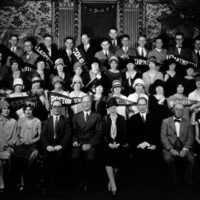
"The Delaware Experiment": 100 Years of Study Abroad
In the aftermath of World War One, a young professor, Raymond W. Kirkbride, hatched a plan to prepare American students for life in an increasingly global society and to perhaps prevent a sequel to that war. What if young men (and women) could be trained for careers in international affairs, diplomacy and business while simultaneously being exposed to the culture, citizenry, and daily life of a foreign country? What if this could all take place over one systematically organized and supervised year abroad during their undergraduate career? Making his plan a reality led to the creation of the system of study abroad as it is known in America today and brought international recognition to the University of Delaware. As we celebrate the centenary of his vision, this exhibition explores the early years of the “Delaware Experiment.”
Dates:
November 8, 2023 - January 31, 2024
Location:
Information Room
Categories:
Literary and historical manuscripts
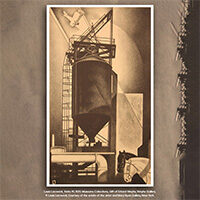
Architectural Expressions in Stone, Steel and Imagination
In Architectural Expressions in Stone, Steel and Imagination, explore how artists and makers embrace architecture as an evolving art form. Visitors will experience new ways of seeing architecture either as part of an overall environment or as a collective backdrop for other artistic manipulations.
Dates:
September 5, 2023 - December 9, 2023
Location:
Old College Gallery
Categories:
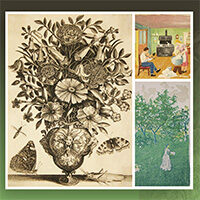
Insights: Staff Selections from the Art Collections
In Insights: Staff Selections from the Art Collections, our staff have shared their expertise and unique perspectives on a variety of pieces in the collections. Visitors will find perennial favorites alongside recently acquired artworks and objects that haven’t been on view for years to explore.
Dates:
September 5, 2023 - December 9, 2023
Location:
Mechanical Hall Gallery
Categories:
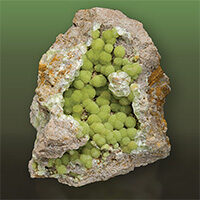
Insights: Staff Selections from the Mineral Collection
From minerals and gemstones to carvings and meteorites, the University has an incredibly diverse mineralogical collection. In Insights: Staff Selections from the Mineral Collection, explore an array of objects selected by staff who work with the collection in a range of ways. Visitors will gain new insights from these varied perspectives while discovering the breadth of the collection.
Dates:
September 5, 2023 - December 9, 2023
Location:
Mineralogical Museum
Categories:
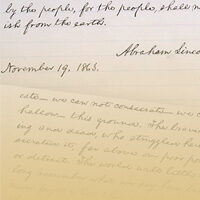
The Gettysburg Address in 2023: Words That Long Endure
November 19, 2023, marks the 160th anniversary of President Abraham Lincoln’s consecration of the cemetery at Gettysburg with the Gettysburg Address. But why is it one of the most iconic speeches in American history?
The small exhibition The Gettysburg Address in 2023: Words That Long Endure looks at Lincoln’s enduring words, which measured the toll of the greatest casualties of the Civil War against the fight for the proposition at the heart of the nation’s identity.
Dates:
September 5, 2023 - December 15, 2023
Location:
Lincoln Exhibition Case
Categories:

50 Feminist Books That Changed Our Lives: Celebrating 50 Years of Women & Gender Studies at UD
Celebrating the 50th anniversary of the Women & Gender Studies Department at UD, the capstone students of WOMS 410, taught by Prof. Margaret Stetz, highlight 50 Feminist Books for their significance in the five decades, 1973-2023. An online-only version of the exhibition will be on view beginning June 2023. The gallery installation will be on display in Special Collections, Morris Library, at the University of Delaware on September 5 – January 12, 2024.
Dates:
June 26, 2023 - December 9, 2023
Location:
Special Collections Gallery
Categories:
Books (literary and historical)
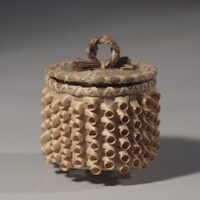
Braided Sweetgrass and Pounded Ash: Contemporary Wabanaki Baskets
The baskets in this exhibition come from the hands of contemporary Wabanaki basket makers. Made from brown ash (also known as black ash) and sweetgrass, these vessels display remarkable explorations of these materials’ properties. The works shown here are part of the Museums’ growing collection of baskets by contemporary Native American artists.
This online exhibition features the work of Jeremy Frey (Passamaquoddy Tribe at Indian Township Reservation), Clara Neptune Keezer (Passamaquoddy Tribe at Sipayik [or Pleasant Point]), Rocky Keezer (Passamaquoddy Tribe at Sipayik [or Pleasant Point]), Caron Shay (Penobscot Nation), Paula Thorne (Penobscot Nation), and Fred Tomah (Houlton Band of Maliseet). Each artist displays a distinctive style while taking inspiration from shared forms and patterns learned from parents, grandparents, friends, and elders.
Created:
May 12, 2023
Location:
Online Only
Categories:
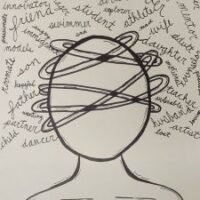
Meant to Be Here: First Year Students' Reflections on the Common Reader
This exhibition showcases artwork and writing by UD students in response to the Fall 2022 First Year Common Reader, While the Earth Sleeps We Travel: Stories, Poetry, and Art from Young Refugees Around the World, edited by Ahmed Badr. Through varied formats including photographs, drawings, memes, and poems, students engage with topics discussed in the book. They reflect on the power of storytelling through artistic expression, research refugee experiences and other important social issues, and explore concepts of identity and home.
Created:
May 3, 2023
Location:
Online Only
Categories:
Drawings, Multimedia content, Photographs
A Small but Mighty Press: The University of Delaware Press 100th Anniversary
When former University of Delaware President Walter Hullihen led the establishment of the University of Delaware Press in the summer of 1922, he probably could not have imagined the many ups and downs the press would face, nor the significant growth of the press, over its first 100 years. This exhibit explores how the press came to be and the many changes it has undergone over the last century to become a leading scholarly publisher in such areas such as literary studies, art history, and early modern studies, while striving to serve the Delmarva region with books on the area’s history, culture, and natural landscape. The press’s story is one of perseverance, as its small size has never limited its horizons, and its partnerships with other publishers and publishing consortia over the years have become gradually more advantageous—leading to today, when the press is growing its staff, launching new series, and entering into open access publishing.
Dates:
February 7, 2023 - August 11, 2023
Location:
Information Room
Categories:
Books (literary and historical)
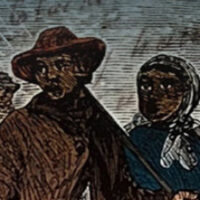
First and Last: Delaware’s Fraught History with Slavery and Abolition
Despite being the first state to ratify the U.S. Constitution in 1787, Delaware refused to sign the 13th Amendment to formally abolish slavery until the 20th century. In First and Last: Delaware’s Fraught History with Slavery and Abolition, explore the state’s complex history with slavery and abolition.
Visitors will learn about slavery and colonization efforts in the state; Black Delawareans’ involvement in the underground railroad; and the notorious Patty Cannon gang, who kidnapped, sold and killed free and enslaved Black people in the state. Materials on view include books, letters, photographs, deeds of sale for enslaved persons, newspaper ads for runaway slaves, copies of Delaware legislative bills, and more.
Dates:
February 7, 2023 - August 11, 2023
Location:
Lincoln Exhibition Case
Categories:
Books (literary and historical), Literary and historical manuscripts
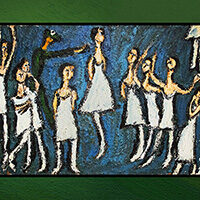
Focus on Painting
Through painting, artists have a blank canvas to experiment with form and technique and to capture an array of subjects and emotions. In Focus on Painting, explore the breadth of paintings within the University’s collections where you will find perennial favorites alongside artwork that hasn’t been on display in years.
Dates:
February 7, 2023 - May 13, 2023
Location:
Old College Gallery
Categories:
Paintings
Ground Minerals from Pigments to Palette
Throughout history, minerals have been used as vibrantly colored pigments to make paint. View an array of pigment minerals used by artists throughout time in Ground Minerals from Pigments to Palette.
Dates:
February 7, 2023 - May 13, 2023
Location:
Mineralogical Museum
Categories:
Minerals
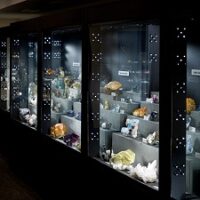
Mineralogical Museum: Permanent Collection
Opened in 1971 and renovated in 2009, the Mineralogical Museum has approximately 350 specimens on display. The entire collection contains more than three thousand specimens of minerals, meteorites, gemstones and carvings and is divided into a display collection and a reference collection. The founding collection, gifted to the University of Delaware in 1964 by Irénée du Pont, shows early examples from gemstone mining in the United States and South America and major finds from Europe. Other cases show specimens from the different continents and individual themes of crystallography and cave minerals.
Dates:
February 7, 2023 - May 13, 2023
Location:
Mineralogical Museum
Categories:
Minerals
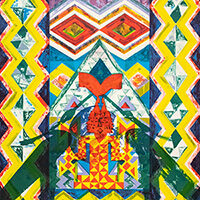
Seeing Textiles in Painting, Printing, and Papermaking, 1960-Today
Every day, people engage with textiles in the woven materials of clothing, the pieced fabric of quilts and the hand stitching of embroidery. Seeing Textiles in Painting, Printing, and Papermaking, 1960-Today explores how modern and contemporary artists take inspiration from textiles.
Dates:
February 7, 2023 - May 13, 2023
Location:
Mechanical Hall Gallery
Categories:
Drawings, Paintings, Prints
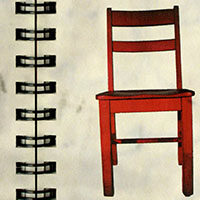
The Artist’s Book in Our Times
Artists’ books are a type of artistic expression that uses the form or function of a book as inspiration. The book itself is the art, incorporating techniques from typography, design, printmaking, papermaking and bookbinding to bring an idea to life. The medium allows for a great amount of innovation and creativity on the part of an artist seeking to make a unique statement.
In The Artist’s Book in Our Times, discover the many ways that book artists use the medium to explore social issues, including race, gender and sexuality, politics, the climate crisis, COVID-19, and more. The exhibition will include work by some of the most accomplished book artists in works drawn from the important collection of artists’ books in the University’s Special Collections.
Dates:
February 7, 2023 - August 11, 2023
Location:
Special Collections Gallery
Categories:
Artists’ books
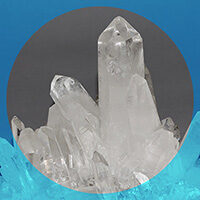
What's New? Recent Additions to the Mineral Collection
At the University of Delaware, the mineral collection is constantly expanding through careful and deliberate purchases and the generosity of donors. In What’s New? Recent Additions to the Mineral Collection, visitors will explore newly acquired mineral specimens while learning about gem minerals and important mineral discoveries.
Dates:
February 7, 2023 - May 13, 2023
Location:
Mineralogical Museum
Categories:
Minerals
Climate Change and Catastrophe: Objects for the Study of Disaster
First established by Disaster Research Center co-founder Enrico Quarantelli, the E. L. Quarantelli Resource Collection is comprised of archival holdings, published material, and disaster-related objects and artifacts. This exhibition features objects collected by the faculty, staff, and students at UD’s Disaster Research Center (DRC), over 60 years of post-disaster field research. The exhibition aims to show the range of primary source objects in DRC’s collection. It was curated to coincide with the workshop Climate Change and Catastrophe: Resources for the Study of Disaster, which will take place at Morris Library in September 2022.
Dates:
November 15, 2022
Location:
Information Room
Categories:
Ephemera and realia
Ishmael Reed's Mumbo Jumbo at Fifty
2022 marks the fiftieth anniversary of the publication of Ishmael Reed’s Mumbo Jumbo, one of the author’s most famous and enduring works. Mumbo Jumbo was first published by Doubleday in 1972 and was a finalist for the National Book Award in fiction in 1973. This exhibition examines some of the key textual and visual features of the novel over the course of its publication history. Manuscript and archival materials found in the exhibition were drawn from the Ishmael Reed papers found in Special Collections at the University of Delaware Library. Various print editions of the novel from Special Collections are also on display.
Created:
October 25, 2022
Location:
Online Only
Categories:
Books (literary and historical), Literary and historical manuscripts
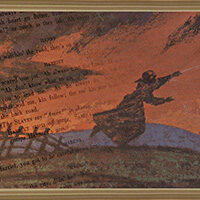
Harriet Tubman: Legends and Literature
While Harriet Tubman’s achievements have been celebrated for generations, the specific details of those achievements have been warped over time–resulting in a mythologized narrative that has obscured or altered many aspects of her history. In honor of the 200th anniversary of Harriet Tubman’s birth, this exhibition explores depictions of Harriet Tubman in nineteenth and twentieth century literature and how writers through the years have chosen to pass on the story of this legendary woman.
Dates:
September 6, 2022 - December 16, 2022
Location:
Lincoln Exhibition Case
Categories:
Books (literary and historical)
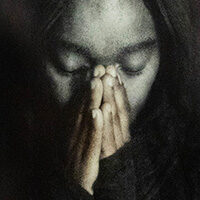
Sacred Convergence in African American Art
Dates:
September 6, 2022 - December 9, 2022
Location:
Mechanical Hall Gallery
Categories:
Sculpture and installations, Prints
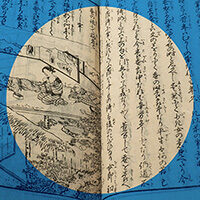
What's New? Recent Additions to Special Collections
Dates:
September 6, 2022 - December 9, 2022
Location:
Special Collections Gallery
Categories:
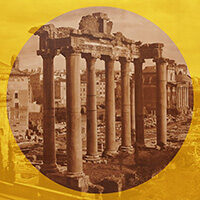
What's New?: Recent Additions to the Art Collections
Dates:
September 6, 2022 - December 9, 2022
Location:
Old College Gallery
Categories:
Drawings, Paintings, Photographs, Prints
Oral History Interviews: African Americans and the University of Delaware
This exhibition draws from interviews conducted for the course, “Oral History: African Americans and the University of Delaware,” held in the fall of 2021. Under the direction of Professor Roger Horowitz, students and the professor planned and conducted twenty-five interviews focusing on the relationship between the University of Delaware and African Americans who attended UD or have lived in Newark, Delaware. All interviewees were African American. Students developed the principal interview themes through a series of class discussions, arranged and conducted their interviews, and selected and transcribed the interview selections that appear in this exhibition.
Created:
July 14, 2022
Location:
Online Only
Categories:
Multimedia content
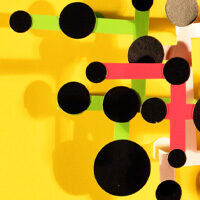
Pop-up Books from the Nathaniel H. Puffer Collection
Nathaniel (Nat) H. Puffer served as a librarian at the University of Delaware from 1964 until his retirement in 1992. Nat was also a collector and when he retired from bookselling, he very generously donated his personal collection as well as the remaining stock of the Book Room to the University of Delaware Library, where it is gradually being cataloged as the Nathaniel H. Puffer Collection. During the course of his collecting career, Nat assembled a collection of over four hundred pop-up books which are now housed in the Library’s Special Collections.
Dates:
May 6, 2022 - July 29, 2022
Location:
Information Room
Categories:
Artists’ books
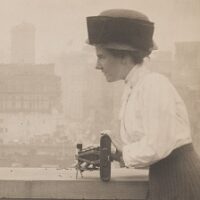
Women in Pictorialist Photography
Photography is a significant strength in the Museums Collections, and Pictorialist photography forms an extensive sub-category. The Museums hold many examples of photographs by both the leading and the lesser-known Pictorialists, as well as a substantial group of Camera Work journals.
Notably, from the earliest days of the movement, which had its heyday in the late-nineteenth and early-twentieth centuries, a significant number of female photographers were prominent in Pictorialism. This online exhibition explores select works by Gertrude Käsebier, Eva Watson-Schütze, Alice Boughton, and others from over a century ago, as well as more recent examples by contemporary photographer Diane Levell, who perpetuates many of the goals, techniques, and traditions of Pictorialism.
Created:
April 29, 2022
Location:
Online Only
Categories:
Photographs

Exploring Environments: First-Year Students' Reflections on the Common Reader
This exhibition showcases artwork and writing by UD students in response to the Fall 2021 First Year Common Reader, Under a White Sky: The Nature of the Future, by Elizabeth Kolbert. Through varied formats including photographs, drawings, memes, and poems, students engage with topics discussed in the book. They mourn the impacts of climate change on our local environment and the planet as a whole, use research to explore possible solutions, and admire the work of activists who are increasing awareness and pushing for change.
Created:
April 25, 2022
Location:
Online Only
Categories:
Drawings, Multimedia content
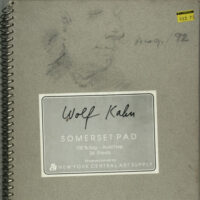
Personal Pages to Public Spaces
Featuring a range of drawings and completed artworks from several artists in the Museums collection, this exhibition will explore various dimensions of the sketch and the bodily process of sketching. Sketches operate as extensions of the mind, as tools that facilitate seeing and remembering, and as a bodily way of acquiring knowledge through observation and repetition. For preparation or for the joy of the act, sketches traverse the private and public, dynamic in their own right.
It is part of a series of online exhibitions highlighting materials from the Museums. Organized by theme or medium, these focused exhibitions provide a bite-sized introduction to the collections.
Created:
March 3, 2022
Location:
Online Only
Categories:
Drawings
Art, Artifacts and Specimens from the Collectors Cabinet
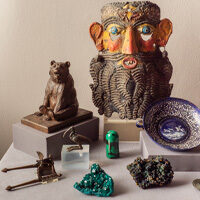
Originally, collectors cabinets were rooms full of various works of art, natural history objects, and antiquities first organized during the Italian Renaissance. Ole Worm, a Danish physician and professor at the University of Copenhagen, assembled the one shown here during the early 1600s. Some cabinets demonstrated the power and wealth of the owner, challenging the viewer to think about the connections among what might today seem to be randomly-arranged objects. Cabinets became a popular way to display objects from travels or items of personal interest. Collectors evolved into curators, classifying and interpreting the wide-ranging collections. In the same fashion, the series of cabinets or rooms of objects were the genesis of today’s museums. This exhibition reflects the legacy of collectors, donors, and curators who had an affinity for or relationship with the University of Delaware.
Dates:
February 8, 2022 - May 14, 2022
Location:
Old College Gallery
Categories:
Chinese Minerals
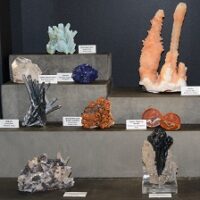
This exhibition features mineral specimens recently mined in China. Chinese minerals were not available on the market until the 1990s and were limited to a few species. With ongoing industrialization and modern mining techniques, more minerals are being discovered, valued and preserved. The variety and quality of the specimens are remarkable and they are now prominent in private and institutional collections. Specimens are on loan from the collection of James Zigras.
Dates:
February 8, 2022 - May 14, 2022
Location:
Mineralogical Museum
Categories:
Everyday People: Highlights of the Civil Rights Movement from the Beverly Axelrod papers
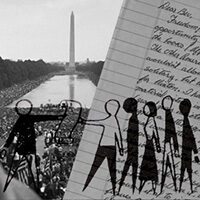
Although the story of the civil rights movement often revolves around the iconic speakers and national leaders of the time, the movement’s transformational impact on society was the result of the dedication and labor of ordinary individuals. This exhibition explores the experiences of ground-level participants in the movement and the behind-the-scenes work that was a key part of the fight against racism and injustice.
Dates:
February 8, 2022 - May 27, 2022
Location:
Lincoln Exhibition Case
Categories:
Ephemera and realia, Personal and family papers
Faces and Facets - Crystals to Gemstones
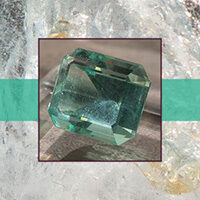
There are approximately 5,700 known minerals, and only about 75 are considered gemstones—attractive minerals known for their color. The exhibition Faces and Facets – Crystals to Gemstones explores the world of gemstones and the minerals from which they derive.
Dates:
February 8, 2022 - May 14, 2022
Location:
Mineralogical Museum
Categories:
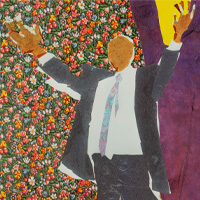
Gathered Together: Black Artists and the Collage Aesthetic
The medium of collage offers artists an inventive means of constructing a work of art, often incorporating everyday materials and found objects, such as newspapers, photographs and fabric. Gathered Together: Black Artists and the Collage Aesthetic explores the practice and visual strategies of collage, highlighting the University’s collection of African American art.
Dates:
February 8, 2022 - May 14, 2022
Location:
Mechanical Hall Gallery
Categories:
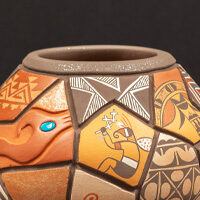
Grounded Innovation: Pueblo Arts of Clay
In the Pueblo nations of Arizona and New Mexico, pottery is an ever-changing art form. Visit Grounded Innovation: Pueblo Arts of Clay to learn how contemporary Pueblo artists innovate to strengthen bonds with their ancestors and homelands, rather than breaking them.
Dates:
February 8, 2022 - May 14, 2022
Location:
Old College Gallery
Categories:
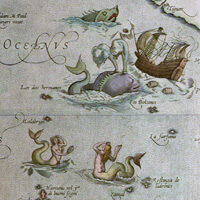
Multiple Middles: Maps from Early Modern Times
What should be in the middle of a world map? Mapmakers have grappled with this question for centuries. Multiple Middles: Maps from Early Modern Times presents maps from the Early Modern Period. Extending from the sixteenth century to the eighteenth century, these maps, atlases, and travel accounts highlight specific middles that the mapmakers chose to emphasize. Multiplying those middles, the exhibition pushes the geographical and conceptual centers to the side, revealing the lesser-known stories of this historically significant cartographic period.
Dates:
February 7, 2022 - May 27, 2022
Location:
Special Collections Gallery
Categories:
Maps, charts, and graphs, Books (literary and historical)
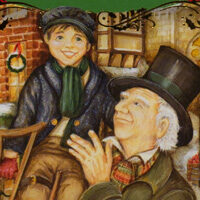
Charles Dickens' A Christmas Carol: An Exhibition
Imagined as a tale that would draw attention to the lives of the poor but still entertain popular audiences, Charles Dickens’ A Christmas Carol became an enormous hit after its 1843 publication, selling out immediately and garnering widespread critical acclaim. Over the 178 years since A Christmas Carol first appeared, there have been hundreds of printed editions, adaptations, parodies, and alternative versions of the story.
Created:
December 7, 2021
Location:
Online Only
Categories:
Books (literary and historical)
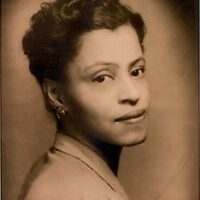
"A Story to Tell": The Life of Pauline Young
This exhibition explores the many accomplishments of Pauline Alice Young, Delaware educator, librarian, historian, and activist. Photographs, newspaper articles, letters, and other material shed light on Young’s life, including her commitment to civil rights, her passion for Black history, and her dedication as a community leader in a changing twentieth century.
Created:
October 20, 2021
Location:
Online Only
Categories:
Personal and family papers, Photographs, Periodicals
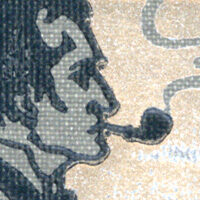
Books, Bohemians and Baker Street: A Study in Sherlock in Special Collections
Probably the world’s best-known detective, fictional or otherwise, Sherlock Holmes stands as one of the most enduring and beloved characters in the history of literature and entertainment. This exhibition presents materials related to Holmes and his literary history found in Special Collections at the University of Delaware Library, Museums and Press. It is offered in partnership with the Resident Ensemble Players (REP) presentation of A Scandal in Bohemia, a newly adapted audio production.
Created:
September 27, 2021
Location:
Online Only
Categories:
Books (literary and historical), Photographs
9/11: Still Responding
Presented by Special Collections at the UD Library, Museums and Press, this exhibition displays the creative outpourings of authors, artists, playwrights, poets, Delawareans, and UD students in response to the national tragedy of September 11th, 2001. The exhibition reveals the variety of ways that art, literature, record-keeping, and personal remembrances offered emotional and inspirational outlets amidst a time of national mourning.
Dates:
September 10, 2021 - November 30, 2021
Location:
Lincoln Exhibition Case
Categories:
Artists’ books, Personal and family papers, Books (literary and historical)
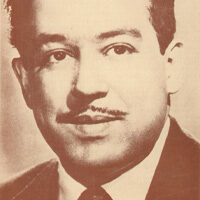
The Ephemeral Langston Hughes
Langston Hughes (1901-1967) was a prolific producer of literature from the 1920s to 1960s, writing more than three dozen books, poetry collections, and librettos during his lifetime. He was also among the most generous interlocutors of the twentieth-century American cultural scene, maintaining a dizzying pace of collaboration with other artists. Committed to building a mass readership for his work through an unceasing circuit of performances, Hughes was on the road for four decades, staging his work for audiences at community centers and school auditoriums, at gospel concerts and workers’ forums. Hughes’ readings, collaborations, and performances–as well as the communities that hosted him–are documented in the Langston Hughes ephemera collection, a set of 139 items purchased in 2007 by the University of Delaware Special Collections.
Created:
September 9, 2021
Location:
Online Only
Categories:
Ephemera and realia

Friends & Enemies: Whistler and his Artistic, Literary, and Social Circles
James McNeill Whistler (1834-1903), the expatriate American artist, had a formidable presence. He was known for his consummate skill as a painter and printmaker, for his radical art theories, for his wit—and for his combative persona that repeatedly led his friendships to devolve into feuds. Whistler’s forceful personality was at odds with the delicacy of his art. His iconic signature of a graceful butterfly with a barbed stinger embodies this contradiction.
Dates:
September 7, 2021 - December 10, 2021
Location:
Old College Gallery
Categories:
Books (literary and historical), Drawings, Ephemera and realia, Literary and historical manuscripts, Paintings, Periodicals, Personal and family papers, Photographs, Prints
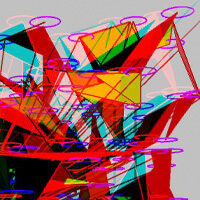
Here / Now: Art and Design Faculty Exhibition
Here / Now: Art & Design Faculty Exhibition celebrates recent creative work by Art and Design faculty members. The exhibition includes traditional and new media, ranging from drawing and sculpture to video and installation art, as well as illustration and applied design for assistive devices. Exhibited works range from reflections on the isolation caused by COVID-19 to a collaborative exploration of the concept of nautical twilight. Here / Now offers an exciting opportunity to discover the innovative and thought-provoking art and design work produced by faculty at University of Delaware.
Dates:
September 7, 2021 - December 10, 2021
Location:
Mechanical Hall Gallery
Categories:
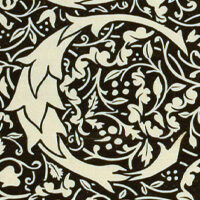
A Book with a Claim to Beauty: Marking the 125th Anniversary of William Morris’ Kelmscott Chaucer
This display, drawn from Special Collections and from the Mark Samuels Lasner Collection, is occasioned by International Kelmscott Press Day, a worldwide celebration of William Morris’s Kelmscott Press and the 125th anniversary of the Kelmscott edition of The Works of Geoffrey Chaucer. Four years in the making, with illustrations by the Pre-Raphaelite artist Edward Burne-Jones and with fonts, ornaments, and layout by Morris, who oversaw every detail, the Kelmscott Chaucer, as it is commonly known, was published on June 26, 1896. It is universally considered one of the most beautiful books ever printed.
Dates:
June 15, 2021 - July 15, 2021
Location:
Lincoln Exhibition Case
Categories:
Books (literary and historical), Photographs, Ephemera and realia
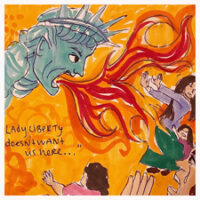
Documented: First-Year Students' Reflections on the Common Reader
This exhibition showcases artwork and writing by UD students in response to the Fall 2020 First Year Common Reader, Dear America: Notes of an Undocumented Citizen, by Jose Antonio Vargas. In their work, students engage with topics Vargas discusses in Dear America. They raise questions about the contradictions between American ideals and the reality of racism, sexism, mistreatment of immigrants, and other issues of systemic injustice. They explore themes of loneliness, identity, and belonging. And finally, they grapple with what it means to engage in activism and work toward solutions for large-scale problems.
Created:
May 3, 2021
Location:
Online Only
Categories:
Drawings, Multimedia content

Agatha Christie’s Poirot
Hercule Poirot, the fictional detective famous for his fastidiously groomed mustache and the “little grey cells” of his superior mind, is one of the most beloved characters of English author Agatha Christie (1890-1976). Beginning with the 1920 publication of her first novel, The Mysterious Affair at Styles, and ending with Curtain (1975), Poirot appeared in nearly ninety of Christie’s novels, plays, and short stories.
Created:
March 22, 2021
Location:
Online Only
Categories:
Books (literary and historical), Personal and family papers, Multimedia content
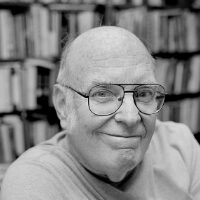
Ex Libris: Selections from the Poetry Library of X.J. Kennedy
This exhibition presents a small group of books from the poetry library of the American poet X. J. Kennedy. Born Joseph Charles Kennedy, in 1929 in Dover, New Jersey, as he began to gain recognition as an author, Kennedy made the decision to write under the name X.J. Kennedy to avoid confusion with Joseph Kennedy, U.S. Ambassador to England and patriarch of the Kennedy political clan. X. J. Kennedy has written more than twenty published poetry collections. Kennedy is also a prolific author of children’s books, and has edited or co-edited some of the most important twentieth century literary anthologies and textbooks.
Dates:
March 1, 2021 - June 4, 2021
Location:
Lincoln Exhibition Case
Categories:
Books (literary and historical)
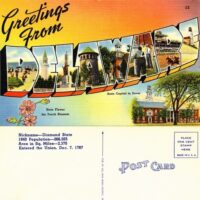
Greetings from Delaware: A Century of Postcards
Postcards have long been a part of American material culture, yet they did not always look like they do now. Distinguished as cards intended for mailing without an envelope, their history extends back to the mid-nineteenth century. This exhibition charts the history of postcards from Delaware from 1898 through 2009. Drawn from the Library’s Delaware Postcard Collection, these objects of local ephemera demonstrate not only how postcards changed over time but also how different Delaware locales developed throughout the last century.
Created:
March 1, 2021
Location:
Online Only
Categories:
Ephemera and realia, Photographs
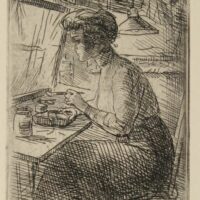
Printmaking Techniques - Etching
This exhibition brings together a range of artworks from the Museums collections made using etching and related printmaking techniques. Including examples from the sixteenth century to today, this online feature provides an introduction to the etching process and the myriad ways in which artists have embraced the medium to create original works of art.
It is part of a series of online exhibitions highlighting materials from the Museums. Organized by theme or medium, these focused exhibitions provide a bite-sized introduction to the collections.
Created:
February 15, 2021
Location:
Online Only
Categories:
Prints

Lift Every Voice: Celebrating 250 Years of African American Poetry
Lift Every Voice is a year-long, nationwide celebration of the 250-year tradition of African American poetry, its richness and diversity, and its central place in American poetry. Curated by Aimee Gee and launched in December 2020, this exhibition highlights materials from the collections of the University of Delaware Library, Museums and Press and draws upon several past exhibitions. Lift Every Voice encourages visitors to reflect upon five intersecting themes that emerge from a close examination of the African American poetic tradition: The Freedom Struggle, Black Identities (Assertion & Protection), Black Experience in History & Memory, Black Language & Music, and Family & Community.
Created:
December 10, 2020
Location:
Online Only
Categories:
Books (literary and historical), Posters and broadsides

Trail to the Voting Booth: An Exploration of Political Ephemera
Trail to the Voting Booth: An Exploration of Political Ephemera shows the variety of ways Americans talk about politics and the way these discussion manifest in physical objects, including pamphlets, song sheets, cartoons, buttons, campaign signs, bumper stickers, costume jewelry, housewares, clothing, toys and more. In the moment, they allow people to proudly display their support for causes and candidates, and later serve as a memory of elections past.
Dates:
September 17, 2020 - December 10, 2021
Location:
Special Collections Gallery
Categories:
Political papers and ephemera
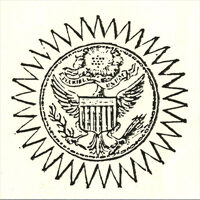
Constitution Day 2020
In 1987, the University of Delaware Library celebrated the bicentennial of the formal signing of the U.S. Constitution with an exhibition of Special Collections materials. The exhibition comprised books, pamphlets, newspapers, and prints tracing the development of the U.S. Constitution from the early eighteenth to the mid-nineteenth centuries. This year, in celebration of Constitution Day 2020 (observed September 17th), Special Collections is highlighting the promotional poster and label text from the 1987 exhibition, “Creature of their own Will: The Formative Years of the U.S. Constitution.”
Created:
September 15, 2020
Location:
Online Only
Categories:
Political papers and ephemera, Posters and broadsides
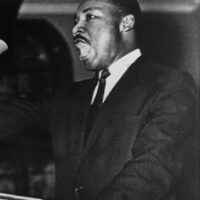
Art and Civil Rights
Drawn from the Museums’ African American art collection, this exhibition brings together a range of artworks that relate to the Civil Rights Movement in the United States.
It is the first in a series of online exhibitions highlighting materials from Museums Collections. Organized by theme or medium, these focused exhibitions provide a bite-sized introduction to the collections.
Created:
September 1, 2020
Location:
Online Only
Categories:
Photographs, Sculpture and installations, Drawings

Votes for Delaware Women: A Centennial Exhibition
The year 2020 marks the centennial of the 19th Amendment to the U.S. Constitution—one hundred years of “Votes for Women.” This exhibition—“Votes for Delaware Women”—examines Delaware’s part in the long struggle to secure voting rights for all women.
The exhibition highlights the many ways in which Delaware’s suffragists—and anti-suffragists—pursued their goals and got their messages out. On display are books, banners, buttons, maps, music, postcards, photographs, and even a cookbook. Combined, they weave together the many strands in Delaware’s suffrage story.
Dates:
February 10, 2020 - December 11, 2020
Location:
Special Collections Gallery
Categories:
Literary and historical manuscripts, Ephemera and realia, Books (literary and historical), Photographs, Periodicals, Posters and broadsides

Black with a Drop of Red: Contemporary Cuban Posters
In contemporary Cuba, posters are a major part of visual culture. Following the 1959 Revolution, the newly formed government created the Instituto Cubano del Arte e Industria Cinematográficos (Cuban Institute of Cinematic Art and Industry or ICAIC). The first cultural institution conceived by the new government, ICAIC screened both Cuban and international films for the benefit of all Cubans. As a result of the cultural policy adopted by ICAIC, poster designers were able to experiment with visual vocabulary in order to articulate a complex visual language. The Cuban government’s initiatives made the country a recognized center for both cinema and poster design.
Dates:
February 9, 2020 - May 15, 2020
Location:
Mechanical Hall Gallery
Categories:
Posters and broadsides
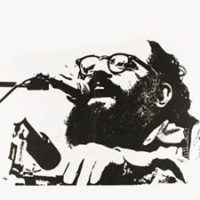
Beat Visions and the Counterculture
Beat Visions and the Counterculture explores the ideas and imagery of the Beat Generation and its influence on 1960s counterculture and beyond. Starting in the late 1940s and early 1950s, the Beat movement prized authenticity, spontaneity, spirituality, and, above all, experience. Although not overtly political, the Beats challenged social norms and consistently provoked authority, pushing boundaries in both their lives and their art.
Dates:
February 8, 2020 - May 15, 2020
Location:
Old College Gallery
Categories:
Books (literary and historical), Drawings, Paintings, Prints, Posters and broadsides, Periodicals, Ephemera and realia
From Thought Into Print: The Creative Process of Publishing
The rich literary archives in Special Collections invite queries from many perspectives. One of these is the examination of source material to show how manuscripts emerge from an author’s mind and materialize through publication for the reader’s consumption. This exhibition considers the creative and production processes of bringing writers’ ideas into print.
Dates:
September 9, 2019 - December 13, 2019
Location:
Special Collections Gallery
Categories:
Literary and historical manuscripts, Personal and family papers, Books (literary and historical), Drawings
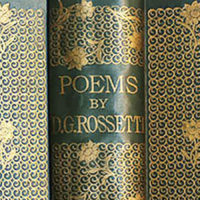
Rossetti’s "Poems" in Progress
Dante Gabriel Rossetti’s Poems, published by F.S. Ellis to acclaim and derision in April 1870, had one of the most complex histories of any literary work published in Victorian Britain. This “case study,” curated by Rebecca Olsen, graduate assistant in the Mark Samuels Lasner Collection 2018-2919 and PhD student in the Department of English, is associated with the exhibition, “From Thought to Print: The Creative Process of Publishing,” on view in the Special Collections Gallery from September 9 through December 13, 2019.
Dates:
September 9, 2019 - December 13, 2019
Location:
Mark Samuels Lasner Collection
Categories:
Books (literary and historical), Literary and historical manuscripts

Mineral Discoveries, Old Finds and New Mines
Most minerals are millions of years old, and the discovery of minerals by early man goes back thousands of years. Although minerals were collected in Europe as aesthetic objects in the 1500s, they were often part of a larger natural history collection of plants, fossils and animal curiosities. Early mining of precious metals in Germany provided a source of beautiful specimens and Europeans from a wide range of backgrounds became mineral collectors.
Dates:
September 3, 2019 - May 15, 2020
Location:
Mineralogical Museum
Categories:
Minerals
The Art of Elizabeth Catlett - From the Collection of Samella Lewis
Elizabeth Catlett (1915-2012) is widely considered one of the most important African American artists of the 20th century. She enjoyed a prolific career spanning more than seven decades. Her politically charged works blend art and social consciousness, confronting disturbing injustices.
The exhibition comes from the collection of Dr. Samella Lewis (b. 1924), an artist, collector, historian and author who was Catlett’s lifelong friend. In addition to celebrating Catlett’s art, the exhibition includes examples of work by Catlett’s husband, Mexican artist Francisco “Pancho” Mora (1922 – 2002) and by Samella Lewis.
Dates:
September 3, 2019 - December 6, 2019
Location:
Mechanical Hall Gallery
Categories:
Prints
Flowers of Freedom: Books and Literature from the Post-Emancipation Generation
America has been tainted by the moral stain of slavery since colonial times. Even though the evidence reveals that the presence of enslaved African peoples in North America dates as far back as the early sixteenth century, a consensus around the date of 1619 for the arrival of the first enslaved Africans in the Virginia colony has become firmly established in the current discourse. This year marks 400 years since that fateful turning point, with centuries of exploitation, anti-Black violence, degradation, and cultural genocide trailing in its wake. As we collectively engage in somber remembrance of this shameful period in our history, this exhibition demonstrates the excellence and fortitude of the Black experience, as it rose from the ashes of a war-torn nation.
Dates:
August 27, 2019 - December 19, 2019
Location:
Lincoln Exhibition Case
Categories:
Books (literary and historical), Personal and family papers
Parker v. University of Delaware: a Landmark Desegregation Case
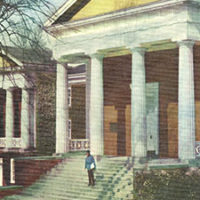
A former slave state, Delaware remained racially segregated well into the 20th century. The University of Delaware was no exception. That is, until 1950, when Louis Redding, the first African American admitted to the Delaware bar, represented ten black students who had been denied admission to the University due to their race. In the Parker v. University of Delaware, Redding argued that, in denying admission to the students, the university had acted unconstitutionally, violating the “separate but equal” clause of Plessy v. Ferguson.
Dates:
April 2, 2019 - June 11, 2019
Location:
Single Case Exhibition
Categories:
Literary and historical manuscripts, Photographs, Books (literary and historical)
Forces of Nature
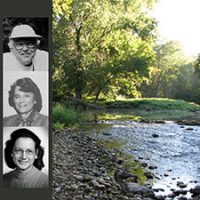
In honor of Women’s History Month, this single-case exhibition will celebrate three amazing, strong women—Dorothy P. Miller, Gwynne P. Smith and June D. MacArtor—who, through civic engagement, legislative careers and scientific research, went above and beyond to protect the environment and improve the quality of life in Delaware.
Dates:
March 5, 2019 - March 31, 2019
Location:
Single Case Exhibition
Categories:
Photographs, Literary and historical manuscripts, Ephemera and realia, Maps, charts, and graphs
Collecting as Activism: African American Art and the Legacy of Paul R. Jones
In 2001, the University of Delaware received a large gift of paintings, works on paper, photographs and sculpture from collector and philanthropist Paul R. Jones (1928 – 2010). Highlighting the social consciousness that characterized Jones’ collecting practice, this exhibition fosters a critical dialogue about the representation of African American artists in museums, and the legacy of individuals who fought marginalization through the collecting of art.
Dates:
February 13, 2019 - May 17, 2019
Location:
Mechanical Hall Gallery
Categories:
Paintings
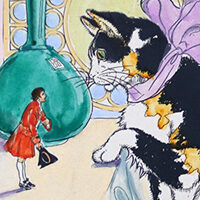
Drawing Connections: Illustration and the Written Word
Through spectacular examples of books, paintings, drawings and prints, this exhibition explores the interaction of word and image across a range of genres and time—from the 16th century to present day. Categories considered throughout the galleries include: classic, ancient and modern literature; religious stories; scientific and botanical literature; and fairy tales and children’s literature.
Dates:
February 13, 2019 - May 17, 2019
Location:
Old College Gallery
Categories:
Drawings, Paintings, Artists’ books, Books (literary and historical)
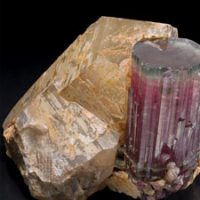
The Last Collection of the First Gemologist, George F. Kunz
This continuing exhibition features mineral specimens and objects collected by George F. Kunz and purchased by Irénée du Pont prior to 1930. Kunz assembled some dozen collections, many of which were on display at various world fairs in the 19th century. They were then acquired by individuals who subsequently donated them to museums that today house some of the finest mineral collections in the United States.
Dates:
February 13, 2019 - May 17, 2019
Location:
Mineralogical Museum
Categories:
Minerals
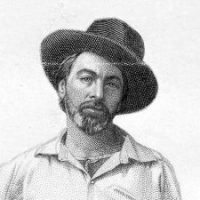
Walt Whitman: In His Time and Ours
The exhibition commemorates the bicentenary of the greatest American poet of the 19th century. Born May 31, 1819, Walt Whitman wrote poetry that served as a bridge between the Transcendalist poets of his time and the more realistic poetry that emerged in the 20th century.
Dates:
February 12, 2019 - June 14, 2019
Location:
Special Collections Gallery
Categories:
Books (literary and historical), Literary and historical manuscripts, Photographs, Posters and broadsides, Periodicals, Ephemera and realia
Southern Voices: Southern Authors Respond to the Civil War
The exhibition “Southern Voices” explores the response by Southern authors to the most virulent and bloody period in American History. An estimated 750,000 soldiers died during the Civil War, more than any war in U.S. history, and the fundamental issues that were central to the conflict–slavery’s economics and political control of that system – are the root of many of the problems we face in American today. “Southern Voices” examines the work of southern authors from three distinct periods.
Dates:
February 7, 2019 - August 14, 2019
Location:
Lincoln Exhibition Case
Categories:
Books (literary and historical)

Luminous Acquisition: The Nobel Prize Diploma of Richard F. Heck, 2010
Richard F. Heck (1931-2015), namesake of the Heck Reaction, was an American chemist awarded the 2010 Nobel Prize in Chemistry for his work with palladium to catalyze organic chemistry. Heck and fellow laureates Akira Suzuki (Hokkaido University) and Ei-Ichi Negishi (Purdue University) were recognized for their pioneering research in palladium-catalyzed cross couplings in organic synthesis, which is now at the heart of everything from pharmaceutical manufacturing to polymer production, from DNA sequencing to electronics.
Dates:
December 3, 2018 - December 21, 2018
Location:
Single Case Exhibition
Categories:
Personal and family papers
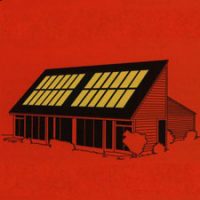
Karl W. Böer, Solar Luminary: In Memoriam
On October 12, 2018, the University of Delaware presents the 2018 Karl W. Böer Solar Energy Medal of Merit to Alex Zunger, Ph.D., and honors the late Prof. Böer with a memorial ceremony at Clayton Hall.
The University of Delaware Library, Museums and Press is home for the archives of Karl Wolfgang Böer (1926-2018), solar energy pioneer, scientific scholar and researcher, inventor, and founder of the Institute for Energy Conversion at the University (1972). Prof. Böer’s papers reflect global scientific advancement in energy conversion and photovoltaic technology through academic, industrial, and government endeavors and research partnerships.
Dates:
October 1, 2018 - October 31, 2018
Location:
Single Case Exhibition
Categories:
Personal and family papers
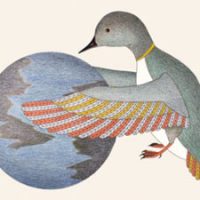
"The World is Following its People": Indigenous Art and Arctic Ecology
In recent years, the Arctic has occupied a central place in the urgent discussions surrounding climate change. However, the Indigenous peoples of the region have long understood the need to respect an interconnected environment; they recognize that the land, ocean and atmosphere respond to human behavior. The prints, drawings, stone sculptures, woven baskets, bone carvings and handmade dolls on display in this exhibition demonstrate these values and beliefs. Inuit artists of northern Canada and Yup’ik artists of Alaska created the materials on view during the late 20th century.
Dates:
September 5, 2018 - December 7, 2018
Location:
Old College Gallery
Categories:
Prints, Drawings, Photographs
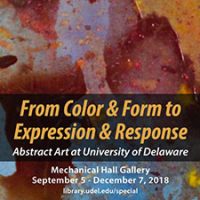
From Color & Form to Expression & Response: Abstract Art at University of Delaware
Since the early 20th century, abstract art has prompted audiences to consider how the materials, shapes and subjects found within an artwork form the viewer’s response to it. Abstract art provides a two-way encounter between the artist and the viewer; the meaning is a combination of the artist’s process and the viewer’s reaction to it. Through this exhibition, explore how abstract paintings, drawings and sculptures can engage viewers and garner reactions ranging from visceral and emotional to conceptual and intellectual through the power of color, shape, material and line.
Dates:
September 5, 2018 - December 7, 2018
Location:
Mechanical Hall Gallery
Categories:
Paintings, Drawings, Sculpture and installations
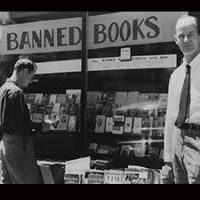
Literature vs. The Law
Timed to coincide with Banned Books Week 2018, the four-case exhibition “Literature vs. the Law” highlights legal cases involving the written word. A variety of materials drawn from the circulating collection, Special Collections, and the Film and Video Collection represent complaints against authors such as Salman Rushdie and Jay-Z, and against works from Allen Ginsberg’s Howl to J. K. Rowling’s Harry Potter.
Dates:
September 4, 2018 - October 26, 2018
Location:
Information Room
Categories:
Books (literary and historical), Photographs, Multimedia content, Periodicals
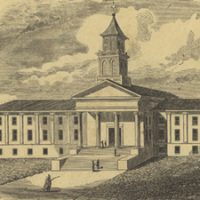
1743-2018: From Alison's Academy to the University of Delaware
2018 marks 275 years since the University of Delaware’s beginning as a free school in nearby New London, Pennsylvania. This small exhibition traces UD history to the mid-19th century, by which time the institution had gone through four name changes. Two enduring themes are reflected in historical documents here: the importance of support from community, state, and charitable benefactors; and the life-lasting bonds of friendship formed by students during their college years in Delaware.
Dates:
August 28, 2018 - December 14, 2018
Location:
Lincoln Exhibition Case
Categories:
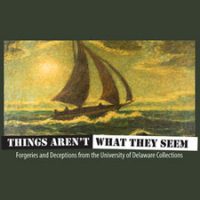
Things Aren't What They Seem: Forgeries and Deceptions from the UD Collections
Forgeries—false works claimed to be genuine—that were once deemed as worthless frauds and criminal acts can serve as valuable artifacts today. In this exhibition, discover the history and value of outright forgeries, historic practical jokes and cases of mistaken identity within Special Collections and Museums by exploring how and why these forgeries were made, and how they were debunked. With fraudulent manuscripts, forged artworks, imitation minerals and “modern” antiquities that imitate ancient artifacts, the exhibition features objects that span centuries and cover a variety of media. Literary forgeries include pirated editions, books with false authorship and historic hoaxes. “Creative forgeries” are also on view, including those created by T. J. Wise, a formerly respected bibliographer who used his standing to create and sell unrecorded, so-called first editions of popular English authors.
Dates:
August 28, 2018 - December 14, 2018
Location:
Special Collections Gallery
Categories:
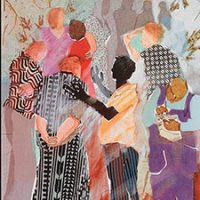
Featured Book: Sunrise is Coming After While
When Maya Angelou selected eight poems by Langston Hughes for Sunrise is Coming After While, artist Phoebe Beasley had the opportunity to illustrate the work of one of America’s most beloved poets. The Limited Editions Club published the book in 1998 with a total of 6 silkscreen prints by Beasley, 8 poems by Hughes, and a foreword and afterward by Angelou. This book demonstrates how poetry can inspire artists to create a new verbal and visual experience.
Dates:
April 17, 2018 - June 15, 2018
Location:
Single Case Exhibition
Categories:
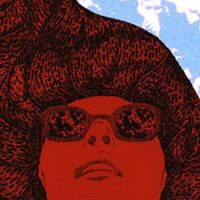
1968: Heterodoxical Times in Delaware
1968: Heterodoxical Times in Delaware is a small, four-case exhibition on display in Morris Library, April 2 – August 17, 2018. The 50th reunion of the Class of ’68 offers alumni and community members a chance to reflect on the momentous, unforgettable 1968. The year rocked Americans from the start with the Tet Offensive in Vietnam through the stunning political assassinations of Martin Luther King, Jr. and Robert F. Kennedy and civilian disorder in urban riots across America and the clash of police and protesters at the Democratic National Convention in Chicago.
Dates:
April 2, 2018 - August 17, 2018
Location:
Information Room
Categories:
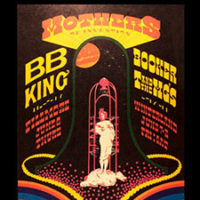
First-Rate Rock Shows: San Francisco '68
This small exhibit highlights selections from the San Francisco rock posters collection in Special Collections at the University of Delaware Library. The posters feature highly-stylized and psychedelic artwork promoting rock, blues, and dance concerts held at the Avalon Ballroom and the Fillmore and Winterland Auditoriums in 1968.
Dates:
April 2, 2018 - April 17, 2018
Location:
Special Collections Reading Room
Categories:
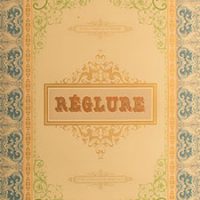
The Menagerie of Fonts: Specimen Books in the University of Delaware Library
Type specimen books have been around since the earliest years of printing history. For centuries, this unique genre of commercial publishing has been used as a vital marketing tool for print shops and type foundries alike. In the pages of these books, one encounters a wide array of typefaces and fonts, making them interesting artifacts of the material history of texts.
Dates:
February 16, 2018 - April 20, 2018
Location:
Single Case Exhibition
Categories:
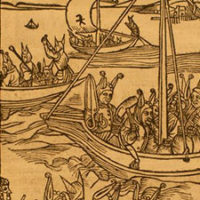
60 at 60
The exhibition “60 at 60” celebrates the sixtieth anniversary of the University of Delaware Library Associates by presenting sixty books acquired between 2008 and 2018 with financial assistance from the University of Library Associates. Curated by Timothy Murray, Head of Special Collections, the exhibition includes a broad range of material on a multitude of topics reflecting the breadth and depth of the University of Delaware Library’s holdings.
Dates:
February 11, 2018 - June 15, 2018
Location:
Special Collections Gallery
Categories:
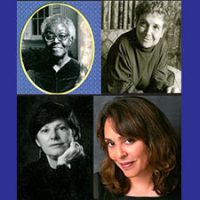
Four Poets
This exhibition features four women who have had a major impact on American poetry: Gwendolyn Brooks (1917-2000), Adrienne Rich (1929-2012), Fleda Jackson Brown (b. 1944), and Natasha Trethewey (b. 1966). It is curated by Curtis Small, senior assistant librarian in Special Collections and Museums.
Dates:
February 8, 2018 - March 30, 2018
Location:
Information Room
Categories:
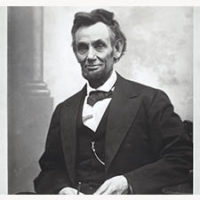
A Life With Lincoln
Donald A. Rydgren, the longtime curator of the Lincoln Collection of the University of Delaware, passed away on October 26, 2017 in Hockessin, Delaware. Don was born in Wilmington, Delaware, and graduated from Tower Hill School and Cornell University. He served as President of the Lincoln Club of Delaware and was a member for over 50 years. Don also served as curator and host of the Lincoln Collection at the University of Delaware’s Goodstay Center for 45 years. “A Life with Lincoln” celebrates Don Rydgren’s long service to the Lincoln Club of Delaware and his passion for promoting the life and career of the 16th President of the United States of America through public presentations and tours to students and visitors, and through his work with researchers consulting the Lincoln Collection. The exhibition presents books acquired during the years Don served as curator, most of them with authors’ presentations to the Lincoln Club of Delaware or Donald A. Rydgren. “A Life with Lincoln” will be on view from February 7 – June 8, 2018 in the Lincoln Exhibit Case.
Dates:
February 7, 2018 - June 8, 2018
Location:
Lincoln Exhibition Case
Categories:
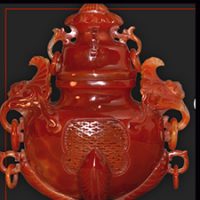
Contemporary Chinese Carvings: Classic Concepts
On view are 20th-century Chinese carvings of agate, a variety of quartz, which show forms that date back thousands of years. The fine carving of this hard material was made possible by the modern development of high-speed diamond tools. In addition to this single-case exhibition, the Permanent Collection remains on display. It highlights minerals from the founding du Pont Collection, regional materials from Pennsylvania, worldwide specimens and thematic displays of crystallography, growth phenomena, and cave minerals.
Dates:
February 7, 2018 - May 11, 2018
Location:
Mineralogical Museum
Categories:

Problem Solving: Highlights from the Experimental Printmaking Institute
“Experimentation in the printmaking studio has a lot to do with problem solving,” Curlee Raven Holton, founder and emeritus director of the Experimental Printmaking Institute (EPI) at Lafayette College, explained in a 2014 interview. This exhibition celebrates a gift of prints from the EPI that Holton presented to the University of Delaware. To showcase the EPI’s role as a leading center for innovative experiments in printmaking across a variety of media and techniques, the exhibition puts selections from the EPI gift in conversation with significant works from the University’s extensive permanent collection of African American art.
Dates:
February 7, 2018 - May 11, 2018
Location:
Mechanical Hall Gallery
Categories:
Our Strength is Our People: The Humanist Photographs of Lewis Hine
Lewis Hine is the father of documentary photography. Often alongside social workers, attorneys and progressive committees working toward reform, Hine used his camera as a tool for social justice. This exhibition showcases his iconic photographs centered around themes of immigration, child labor and the American worker. The rare vintage gelatin silver prints on view attempt to create empathy for the immigrant experience, expose and fight abusive child labor practices, and highlight the dignity of the American worker. The exhibition is organized by art2art Circulating Exhibitions, LLC. All works are from the private collection of Michael Mattis and Judith Hochberg.
Dates:
January 31, 2018 - May 11, 2018
Location:
Old College Gallery
Categories:
Responding to What is Alive Before You: The Photography of Levinstein and Fink: The Photography of Levinstein and Fink
As a complement to the Lewis Hine exhibition, the works of two social photographers inspired by Hine–Leon Levinstein and Larry Fink–will be on view, demonstrating the ways in which different lenses can be applied to the same genre. Through variances in composition and fundamentals of photography, the selections explore how tools of observation are filtered through artists’ individual perspectives and personalities. All of the photographs in the exhibition were donated by UD alumna Tami Morachnick, class of 1980, and her husband, Mark Greenberg.
Dates:
January 31, 2018 - May 11, 2018
Location:
Old College Gallery
Categories:
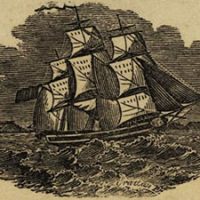
Selections from the Philadelphia Custom House Records
The Philadelphia Custom House records at the University of Delaware Library offer a wealth of information on the economic, political, and maritime history of the United States. Created between 1779 and 1932, these documents chart the movement of commodities through the port of Philadelphia, capture the organic growth of government recordkeeping, and highlight the bureaucratic expansion of the United States Customs Service as it took on new responsibilities and wielded greater authority over the course of the nineteenth century. These records not only illustrate U.S. commercial and shipping interests, but also the activities of Custom House employees and sailors. This on-line exhibition introduces researchers to the types of documents found in the Library’s collection and describes how they functioned to support American commerce and maritime travel.
Created:
November 10, 2017
Location:
Online Only
Categories:
Johanna Drucker: A Selection of Artist's Books
In conjunction with Johann Drucker’s keynote address for the symposium Imagined Forms: Modeling and Material Culture (Hagley Museum and Library, November 17-18, 2017), the University of Delaware Library has installed the exhibition, “Johanna Drucker: A Selection of Artist’s Books.” Drucker, who is internationally known for her scholarly work on the history of graphic design, typography, fine art, and digital humanities, is also an accomplished book artist and printer. This single-case exhibition, on display in the Library’s Information Room through December 15, 2017, presents a selection of Drucker’s artist’s books drawn from the extensive collection of her work in Special Collections.
Dates:
November 7, 2017 - December 15, 2017
Location:
Information Room
Categories:

Peter Balakian: Poet/Historian
This exhibition showcases examples of the author’s published works from the University of Delaware’s Library, Museums and Press’ Special Collections Department. He is the author of several books of poems, most recently Ozone Journal, which won the Pulitzer Prize. Other collections include June-tree: New and Selected Poems 1974-2000; Father Fisheye (1979); Sad Days of Light (1983); Reply From Wilderness Island (1988); Dyer’s Thistle (1996); and several fine limited editions.
Dates:
October 6, 2017 - October 31, 2017
Location:
Single Case Exhibition
Categories:
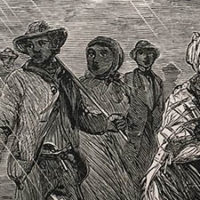
Delaware and the Underground Railroad
Despite being allied with the Union during the Civil War, Delaware remained a slave state until 1865, when the ratification of the thirteenth amendment to the Constitution banned slavery nationwide. In general, the state was divided along north/south lines, with northern New Castle County being primarily anti-slavery and southern Sussex County opposing abolition. The state government saw numerous attempts to repeal slavery via legislative means, but these divides meant that none of these bills gained much traction.
Dates:
September 18, 2017 - November 3, 2017
Location:
Single Case Exhibition
Categories:
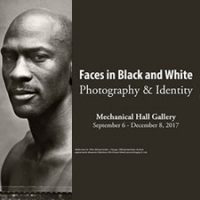
Faces in Black and White: Photography and Identity
Bringing together black and white photographs from across the University of Delaware’s collections, this exhibition focuses on the face as a site of history, struggle, drama, and inspiration. With subjects ranging from freed slaves to modern-day artists, activists, and celebrities, these images combine one medium of expression—photography—with another—the human countenance. The goal is to open conversations among the images, crossing racial, gender, generational, and cultural divides, leaving visitors to ask, how do faces “speak” through photographs?
Dates:
September 6, 2017 - December 8, 2017
Location:
Mechanical Hall Gallery
Categories:
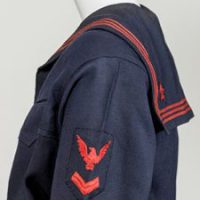
Fashion on All Fronts: Stories from the Wardrobe, 1914-1918
Drawing from the Historic Costume and Textiles Collection in the Department of Fashion and Apparel Studies, Special Collections in Morris Library, and private lenders, this exhibition provides an in-depth look at World War I through the lens of what people wore. During the war years, fashions changed by necessity and by invention. Everyday fashions echoing military styles gained popularity, and some garments, footwear, and accessories created to answer wartime needs remain in vogue today. The exhibition highlights the stories behind the garments, focusing on the personal accounts of the people who wore them.
Dates:
September 6, 2017 - December 8, 2017
Location:
Old College Gallery
Categories:

Issues and Debates in African American Literature
This exhibition highlights rare and significant items that illustrate the varied strains of African American literary and intellectual life in play over the past hundred years — many of which remain relevant discussions for today. See the UDaily article on this exhibition for additional information.
Dates:
September 6, 2017 - December 15, 2017
Location:
Special Collections Gallery
Categories:
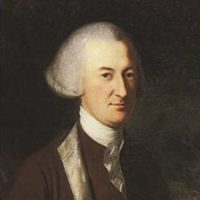
John Dickinson: Penman of the Revolution
On December 21, 1767 an essay titled “Letter from a Farmer in Pennsylvania” appeared in the Boston Chronicle. In the coming months, twelve more such letters would appear in newspapers throughout the American colonies. The author of these letters was John Dickinson, whose essays on behalf of the American cause earned him the title of “Penman of the Revolution.” To mark the 250th anniversary of the first publication of the Letters from a Farmer in Pennsylvania, the University of Delaware Library is featuring the exhibition “John Dickinson: Penman of the Revolution” which is on view from September 6 through December 15, 2017
Dates:
September 6, 2017 - December 15, 2017
Location:
Lincoln Exhibition Case
Categories:
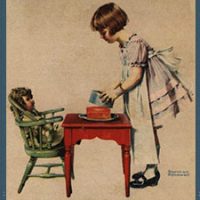
Jell-O: America's Most Famous Dessert
Everyone has a memory or story involving Jell-O, America’s first fun food. But how did it become “America’s Most Famous Dessert”? The makers of Jell-O successfully adapted to American tastes for over a century, aided by shrewd advertising. Advertisers gave Jell-O broad appeal, depicting it as both exotic and familiar, appropriate for a family dinner or a gala event, and suitable for simple desserts as well as imaginative culinary creations.
Dates:
September 1, 2017 - December 15, 2017
Location:
Single Case Exhibition
Categories:
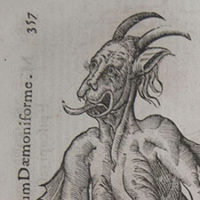
New Acquisitions (2017)
This exhibition highlights two recently-acquired (2017) rare books: Ulisse Aldrovandi’s Monstrorum Historia (1642), a treatise on monsters and abnormalities; and Trattato Delle Piante, an architectural work from 1620 written by Amico di Gallipoli.
Dates:
July 6, 2017 - September 15, 2017
Location:
Single Case Exhibition
Categories:
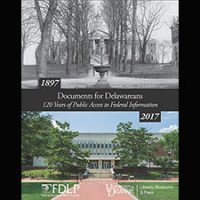
Documents for Delawareans
This exhibition features U.S. government documents housed at University of Delaware Library. The exhibition celebrates the 120th anniversary of University of Delaware’s designation as a depository providing public access to federal documents.
Dates:
June 15, 2017 - September 15, 2017
Location:
Information Room
Categories:
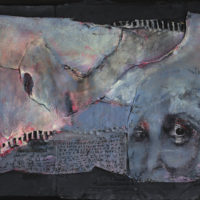
Remembrance and Visions: Selections From The Alan Kaufman Papers
This small exhibit, on display in Morris Library through May 2017, marks the occasion of Alan Kaufman’s visit to campus to speak with students and visitors at HIST/JWST 254 Jewish Holocaust: 1933-1945. The class is taught by Professor Polly Zavadivker, director of the Jewish Studies Program at the University of Delaware.
The art, sketch book, published works, and family papers shown here speak to “Remembrance and Visions,” a theme that can be said to arch over all aspects of Kaufman’s extensive body of art and literature. Kaufman’s Jewish heritage is central to his identity and creative work.
Dates:
May 1, 2017 - May 31, 2017
Location:
Special Collections Reading Room
Categories:
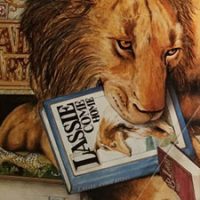
Use or Abuse? The Library's Books are in Your Hands
This exhibition coincides with the American Library Association’s annual celebration of Preservation Week, April 23 – 29, 2017, across the United States. It features books that have undergone different types of damage, in order to inform patrons about factors related to the deterioration of these items.
Dates:
April 23, 2017 - April 29, 2017
Location:
Information Room
Categories:
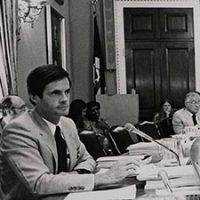
Delaware in Committee: Senators Advocating for Delawareans in Congressional Committees
This exhibition highlights some of the contributions made by Senator John J. Williams (R), 1947-1971, Senator J. Allen Frear (D), 1949-1961 and Representative (now Senator) Tom Carper (D), 1983-1993, to protect the interests of Delawareans in their committee work. The items on display focus on the two primary responsibilities of congressional committees: passing legislation and conducting oversight on government programs.
Dates:
April 4, 2017 - April 14, 2017
Location:
Information Room
Categories:

Victorian Passions: Stories from the Mark Samuels Lasner Collection
To mark the gift of the Mark Samuels Lasner Collection, the University of Delaware Library will host an exhibition, titled “Victorian Passions: Stories from the Mark Samuels Lasner Collection” and curated by Margaret D. Stetz, Mae and Robert Carter Professor of Women’s Studies and Professor of Humanities — on view in Morris Library’s Special Collections Gallery from Feb. 14 through June 30, 2017.
Dates:
February 14, 2017 - June 30, 2017
Location:
Special Collections Gallery
Categories:
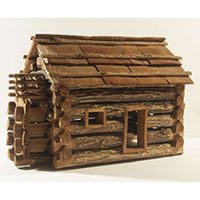
Art and Artifacts from the Lincoln Collection
The exhibition “Art and Artifacts from the Lincoln Collection” presents a selection of artwork, memorabilia, and artifacts. Some of the more notable or unique items on display include a reward poster issued by the War Department shortly after Lincoln’s assassination, a Ford’s Theatre playbill, and a life mask with bronze casts of Lincoln’s hands.
Dates:
February 10, 2017 - June 9, 2017
Location:
Lincoln Exhibition Case
Categories:
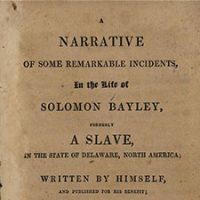
Solomon Bayley and Anti-Slavery in Delaware
This exhibition focuses on the life of Solomon Bayley, who was born a slave in Kent County, Delaware, in about 1771. Bayley later gained his freedom and went on to become an author, farmer, and lay preacher.
Dates:
February 1, 2017 - March 1, 2017
Location:
Single Case Exhibition
Categories:

American Battlefield Nurses: Fighting to Serve, Fighting to Heal
This exhibition highlights the American military nurses who served in the Civil War, both World Wars and the Vietnam conflict. It also attempts to illustrate the emotional and physical price these women paid for endeavoring to preserve life in an atmosphere of pain and destruction. In spite of the devastating atmosphere of war, many of these nurses affirmed that their wartime service was the most rewarding experience of their lives.
Dates:
January 24, 2017 - March 31, 2017
Location:
Information Room
Categories:
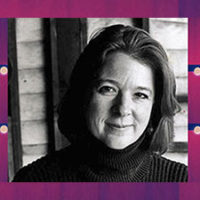
An Introduction to the Theresa Rebeck Papers
Created:
January 1, 2017
Location:
Online Only
Categories:
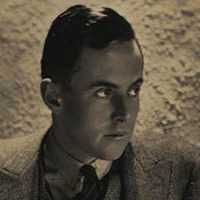
Beverley Nichols: Conserving Moments from His 'Strange and Lovely Life'
Beverley Nichols (1898-1983) is best remembered today for his humorous and poetic writings on gardening. In fact, his first gardening book, Down the Garden Path, has been in print almost continuously since its first publication in 1932. He was an accomplished author, writing more than 60 pieces, 30 of which were bestsellers, that covered a large variety of topics, including children’s stories, travel, politics, mystery, religion, cats, parapsychology, and autobiography. Beyond his life as a writer, Nichols also sought creative outlets as a playwright, journalist, composer, and public activist.
Dates:
December 5, 2016 - December 16, 2016
Location:
Special Collections Reading Room
Categories:

Daniel Berrigan: Poet, Activist, Priest
The exhibition “Daniel Berrigan: Poet, Activist, Priest” celebrates the life and career of this important American author and political activist who passed away at the age of 94 on April 30, 2016. Daniel Joseph Berrigan was born in Virginia, Minnesota on May 9, 1921.
Dates:
October 25, 2016 - December 16, 2016
Location:
Information Room
Categories:

Star Trek: Fiftieth Anniversary
The original Star Trek television series was produced for only three seasons, between 1966 and 1969. However, the show has proved to be one of most influential pop culture influences of our time. The adventures of Captain Kirk, Spock, and the crew of the starship USS Enterprise formed the basis for four subsequent live-action television series, an animated television series, thirteen feature films, hundreds of novels, and countless pieces of merchandise.
This exhibition commemorates the fiftieth anniversary of the show’s first season. The items on display here reflect various manifestations of the show’s afterlife.
Dates:
October 25, 2016 - December 15, 2016
Location:
Single Case Exhibition
Categories:
Banned Books (2016)
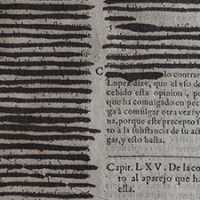
Banned Books showcases a selection of historic copies of banned and censored books from Special Collections at the Morris Library. The books on display range from Renaissance texts that were banned for religious and political reasons to more recent literary texts that were suppressed by government censors on charges of obscenity. One of the highlights is a 1632 copy of Galileo Galilei’s Dialogo, which was condemned as heretical by the Roman Inquisition for espousing the belief that the earth revolved around the sun. The exhibit will be on display in the Information Area on the first floor of the Morris Library, from September 26 to October 21, 2016.
Curated by Alexander Johnston
Dates:
September 26, 2016 - October 21, 2016
Location:
Class of 1941 Lecture Room
Categories:
The Lincoln-Douglas Debates and the Campaign of 1860: the Road to the Lincoln Presidency
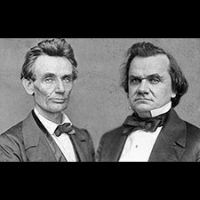
In conjunction with the University of Delaware’s Center for Political Communication 2016 Presidential and Delaware candidate debates, the University of Delaware Library presents the exhibition “The Lincoln-Douglas Debates and the Campaign of 1860: the Road to the Lincoln Presidency.” The exhibition presents an array of materials documenting the debates, the campaign, and the election, offering a unique historical l look at this important series of events that led to the most volatile and divisive period in American history.
Dates:
September 23, 2016 - December 16, 2016
Location:
Lincoln Exhibition Case
Categories:
Shakespeare Through The Ages
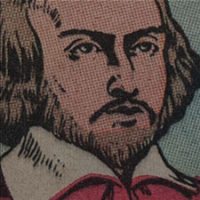
This exhibition explores the reception and treatment of William Shakespeare’s works across the years, ranging from Shakespeare’s age to our own. Items on display include early-printed books of Shakespeare, his contemporaries, and his sources. Also on display will are examples of Shakespearian criticism, adaptations, parodies, private press editions, and forgeries, all drawn from the University of Delaware Library’s extensive holdings of rare books and manuscripts. All this, and more, showcases the many ways in which Shakespeare’s works have lived on in the four centuries since his death.
Dates:
August 30, 2016 - December 12, 2016
Location:
Special Collections Gallery
Categories:
'Ballad of Birmingham': A Student Printing Project
During the Spring 2016 semester students in Professor Martha Carothers’ class Typography II created a broadside inspired by the one with which poet/publisher Dudley Randall launched Broadside Press, a major publisher of African American poets during the nineteen sixties and seventies.
Broadside Press’s inaugural offering featured Randall’s poem “Ballad of Birmingham,” written soon after the 1963 bombing of an African American church in Birmingham, Alabama. That act of racial terror left four young girls dead. Dudley’s moving poem evokes the events leading up to the girls’ death.
Dates:
July 1, 2016 - October 11, 2016
Location:
Single Case Exhibition
Categories:

Saving White Clay Creek: The Charge of the Dorothy Miller Brigade
Saving White Clay Creek: The Charge of the Dorothy Miller Brigade pays tribute to Dorothy Miller, a citizen of Newark who died at age 84 on February 22, 2016. Dorothy Miller was a birder and nature lover turned activist who is widely regarded as the coalition builder who successfully fought a proposed damming of White Clay Creek in the 1960s.
Dates:
May 9, 2016 - June 3, 2016
Location:
Single Case Exhibition
Categories:
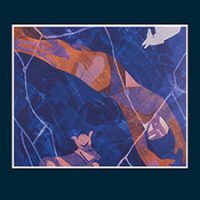
Two Steps Forward, One Step Back? : Women of Color and the Dance of Academe
“What’s next?” is the central question driving the UD-ADVANCE Institute’s conference, “Women of Color in the Academy,” on campus at Clayton Hall, April 29 – May 1, 2016.
The Library is pleased to present this exhibition which complements the conference and highlights its extensive holdings on diversity in higher education. Journal literature pertaining to Black, Latina, Asian American and Native American women scholars is especially abundant.
Dates:
April 4, 2016 - September 16, 2016
Location:
Information Room
Categories:
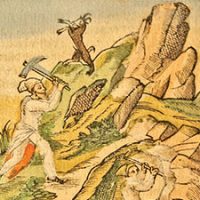
Alchemy and Mineralogy: Selections from the Unidel Collection
The University of Delaware Library’s Special Collections are home to a vast selection of primary sources on the history of science and technology, at the core of which is the Unidel History of Chemistry Collection, which holds nearly three thousand rare books and manuscripts on the history of chemistry and its precursor, alchemy.
Dates:
February 26, 2016 - March 31, 2016
Location:
Single Case Exhibition
Categories:
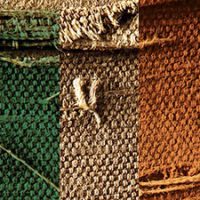
A Terrible Beauty is Born: The Easter Rising at 100
2016 marks the centenary of the Easter Rising in Ireland, when a small band of republicans’ brief insurrection over Easter Week 1916 resulted in their declaration of independence from Great Britain to form the Irish Republic (Poblacht na hÉireann). Quickly and violently squashed by the British, the Easter Rising became a defining moment for the complex landscape of Irish culture, politics, and history in the twentieth century.
Dates:
February 9, 2016 - June 12, 2016
Location:
Special Collections Gallery
Categories:
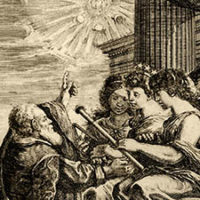
Galileo: 400 Years
This exhibition commemorates the 1616 edict of the Catholic Church rejecting the notion that the sun is the center of the universe and that the earth is a planet orbiting the sun.
From the time of the Greek philosopher Aristotle (b.384 – d.322 B.C.), Europeans accepted geocentrism (the belief that the earth is the center of the universe). In 150 A. D., Greco-Egyptian astronomer Ptolemy proposed that the stars were set into a celestial sphere, which rotated around the earth. The movement of the stars and planets around the earth was believed to explain their rising and setting. The “Ptolemaic system” was widely accepted for over 1500 years.
Dates:
February 9, 2016 - February 24, 2016
Location:
Single Case Exhibition
Categories:
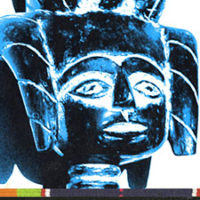
A Celebration of Broadside Press
Broadside Press was the first important publisher of the work of Black American poets. Librarian and poet Dudley Randall launched the venture in 1965. He did the editing work out of his Detroit home, at first employing the broadside format that gave the press its name.
Broadsides are single sheets bearing print. For centuries this ephemeral form has allowed individuals and groups to engage in public debate through the spread of ideas and information.
Following in this tradition, the broadside poems that first emerged from Randall’s press addressed issues that were important to many Americans during the nineteen sixties. “Ballad of Birmingham” was the first broadside issued by the press. It was Randall’s own poem, evoking the 1963 Alabama church bombing that killed four Black girls.
Dates:
February 1, 2016 - March 26, 2016
Location:
Information Room
Categories:
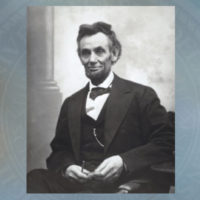
Looking at Lincoln: Abraham Lincoln in the Words of His Biographers
More books have been written about Abraham Lincoln, the sixteenth president of the United States, than any other individual in American history. Even before he was fatally shot by John Wilkes Booth on April 14, 1865, Lincoln had been the focus of numerous books. In 2011 the Ford’s Theatre Center for Education and Leadership constructed a thirty-four foot tower of books about Abraham Lincoln, symbolizing that the last word about this great man will never be written. The three story-high tower contained 6,800 books, representing just a fraction of the more than 15,000 books written about Abraham Lincoln and his Presidency.
Dates:
January 26, 2016 - June 17, 2016
Location:
Lincoln Exhibition Case
Categories:
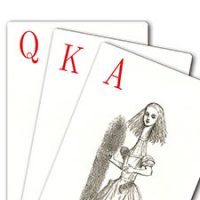
'We are all Mad': The 150th Anniversary of Alice's Adventures in Wonderland
Alice’s Adventures in Wonderland has delighted children and adults for a century and a half. Lewis Carroll’s immortal tale of a little girl who falls down a rabbit hole has been translated into nearly 200 languages and been the subject of illustration, scholarship, parody, and pastiche. This exhibition marks the 150th anniversary of the publication Lewis Carroll’s classic work.
Dates:
November 20, 2015 - December 18, 2015
Location:
Single Case Exhibition
Categories:
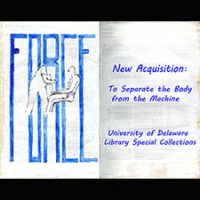
To Separate the Body from the Machine
To Separate the Body from the Machine, acquired by Special Collections in 2015, is an artist’s book by Beldan Sezen. The distributor’s description explains the idea behind the book: “Beldan Sezen works as a caretaker for a man who is living with a paralysed body. Sezen’s intentions with this work are to visualise confrontations and limits with such a paralysed body and its often hidden surprises in dealing with ways to move.” The artist achieves her goals in a way that is both sensitive and visually engaging.
Dates:
October 5, 2015 - November 20, 2015
Location:
Single Case Exhibition
Categories:
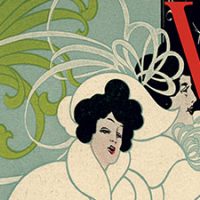
Will H. Bradley, an American Artist: Selections from the Gordon A. Pfeiffer Collection
American artist and illustrator Will H. Bradley (1868-1962) had a marked impact on fine and commercial graphic arts in the late-nineteenth and early-twentieth centuries. He contributed to the growth of the graphic arts in the United States and influenced developments in illustration and layout practices in the book and periodical arts.
Gordon Pfeiffer’s Will Bradley collection contains a great variety of books, periodicals, prints, ephemera, and artifacts, spanning the whole of Will H. Bradley’s long and productive career. This exhibition celebrates Gordon Pfeiffer’s generous gift to the University of Delaware Library and highlights one of the world’s premier collections of the work of Will H. Bradley.
Dates:
August 18, 2015 - December 18, 2015
Location:
Special Collections Gallery
Categories:
Staging History: Barrie Stavis and the Dramatization of John Brown's Raid on Harpers Ferry
Barrie Stavis (June 16, 1906 – February 2, 2007) is best known for his plays portraying historic figures whose controversial or radical ideas and actions present a challenge to contemporary authority. These plays depict the actions of men who set an ethical course from which they cannot be turned, while their determination changed the world even though they themselves were made to suffer or even executed for their beliefs. John Brown’s Raid on Harpers Ferry was an event Stavis explored over an extended period of time.
Dates:
August 4, 2015 - December 8, 2015
Location:
Lincoln Exhibition Case
Categories:
Remembering Napoleon Bonaparte
The University of Delaware Library has announced the exhibition titled “Remembering Napoleon Bonaparte,” which will be on view through Oct. 2 on the first floor of the Morris Library.
The exhibition commemorates the fact that June 18, 2015, marked the 200th anniversary of the Battle of Waterloo, at which the army of French emperor Napoleon Bonaparte suffered its final defeat.
Dates:
August 3, 2015 - October 2, 2015
Location:
Single Case Exhibition
Categories:
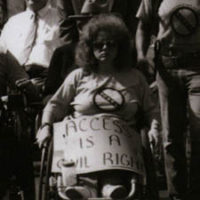
25th Anniversary of the Americans with Disabilities Act
The Americans with Disabilities Act (ADA) prohibits discrimination against people with disabilities in the areas of employment, transportation, public accommodation, communications, and governmental activities. Inspired in part by the civil rights legislation of the 1960s, this landmark law was signed by President George H. W. Bush on July 26, 1990. To commemorate this event, the University of Delaware Library Diversity Committee presents an exhibition entitled “25th Anniversary of the Americans with Disabilities Act.” This exhibition features books, videos, and other information related to the ADA and the topic of disability rights. It covers four major areas: an overview and explanation of the ADA; an overview of the disability rights movement; implementation and compliance issues; and employment and human resources information.
Dates:
July 21, 2015 - December 15, 2015
Location:
Information Room
Categories:
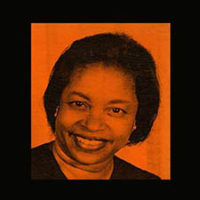
Margaret Walker: A Centenary Exhibition
While she may be unknown to some, poet, novelist and teacher Margaret Walker (1915-1998) made an outsized impact on American literature. During a period when segregation and discrimination were legal in the American South, Walker wrote poems demanding civil rights and celebrating the language and culture, struggles and triumphs of African Americans.
Dates:
April 30, 2015 - July 31, 2015
Location:
Class of 1941 Lecture Room
Categories:
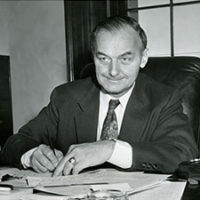
Clean Elections: Senator John J. Williams of Delaware and the Voting Rights Act of 1965
2015 marks the 50th anniversary of the passing of the Voting Rights Act – the landmark legislation that prohibited discrimination against minority voters. This exhibition features items from the Papers of Senator John J. Williams and includes constituent letters, printed ephemera, and documents on the Voting Rights Act. The University of Delaware Library joins the Association of Center for the Study of Congress (ACSC) in a national celebration of the sixth annual Congress Week, April 1-7, 2015.
Dates:
April 1, 2015 - April 30, 2015
Location:
Single Case Exhibition
Categories:
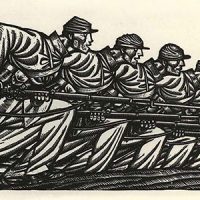
Fort Sumter to the Appomattox Courthouse: the American Civil War
April 9, 2015 will mark the 150th anniversary of Robert E. Lee’s surrender at Appomattox, Virginia, effectively ending the American Civil War, which had officially commenced on April 12, 1861, when Confederate artillery fired on Fort Sumter in Charleston, South Carolina.
The Civil War is the central event in America’s historical consciousness. The Union victory preserved the United States as one nation and ended the institution of slavery that had divided the country from its beginning. But these achievements came at the cost of 625,000 lives — nearly as many American soldiers as have died in all the other wars in which this country has fought combined.
Dates:
January 27, 2015 - June 12, 2015
Location:
Special Collections Gallery
Categories:

The Legacy of the Delaware Coastal Zone Act: Conserving the First State
The Coastal Zone Act, signed in 1971 by Gov. Russell Peterson, is widely considered to be the most important — and one of the most contentious — piece of environmental legislation ever passed in Delaware. For over 40 years, it has protected 115 miles of Delaware’s coast from the destructive impacts of heavy industrialization and commercial development.
Dates:
January 27, 2015 - July 3, 2015
Location:
Information Room
Categories:
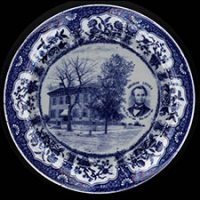
Selections from the Richard H. Stewart Abraham Lincoln Collection
Selections from the Richard H. Stewart Abraham Lincoln Collection” celebrates the June 2014 gift of the Richard H. Stewart Abraham Lincoln Collection from Mrs. Joan B. Stewart whose late husband, native Delawarean and University of Delaware alumnus Richard H. Stewart (1936-2013), was an avid student of history and a collector whose particular interest was the American Civil War and Abraham Lincoln.
Dates:
January 20, 2015 - June 14, 2015
Location:
Lincoln Exhibition Case
Categories:
Five Hundred Years Ago In Printing
“Five Hundred Years Ago in Printing” shows a sampling of the variety of works that were available in print 500 years ago. Items on display in the exhibition were all printed in the year 1515 and include important early printings of works by Dante, Albertus Magnus and Trithemius, as well as work by important early European printers such as Aldus Manutius. Additional details are available at: http://www.udel.edu/udaily/
Dates:
January 13, 2015 - March 20, 2015
Location:
Single Case Exhibition
Categories:
“We will remember them": First World War Materials from the Mark Samuels Lasner Collection
This electronic exhibition assembles materials from the Mark Samuels Lasner Collection that were first displayed on 1 November 2014 as part of “Remembering the Great War,” a symposium sponsored by the UD Office of Alumni Relations. Although the Mark Samuels Lasner Collection is usually associated with first editions, periodicals, works on paper, manuscripts, correspondence, etc., from the middle to the end of the nineteenth century in Britain, it is also rich in material from the period of the First World War, some of it with transatlantic connections.
Created:
November 1, 2014
Location:
Online Only
Categories:
Dylan Thomas at 100
October 2014 marks the centenary of the birth of Welsh poet Dylan Thomas (1914-1953), one of the twentieth century’s most celebrated young poets. His poignant poems about death, lost innocence, and memory such as “Do Not Go Gentle into that Good Night” (1951) engaged a huge variety of readers and listeners alike—from Beatle John Lennon, who placed his portrait on the iconic cover of Sgt. Pepper’s Lonely Hearts Club Band, to modernist poet T.S. Elliot.
Dates:
October 1, 2014 - December 19, 2014
Location:
Single Case Exhibition
Categories:
Celebrating the History of the U.S. Constitution
This exhibit features selected items from the Thomas R. Carper congressional papers, including Representative Carper’s constituent newsletter, Capitol Comments, where he commemorated the 200th anniversary of Constitution Day. In his remarks, Carper discussed the importance of the Constitution over time, from the Bill of Rights, which prevents the government from intervening with basic freedoms, to ensuring equal representations of all states in the U.S. Congress.
Dates:
September 16, 2014 - September 24, 2014
Location:
Single Case Exhibition
Categories:
Insect Societies and their Influence on Human Societies
Insects are so diverse, so interesting, and so important to the ecosystems of which we are a part that their study just as organisms represents the large discipline of Entomology, which stands on its own as an important academic field. There are books on insects for readers of all levels, from the curious child to the lay adult to the specialist in environmental studies.
Dates:
September 2, 2014 - December 19, 2014
Location:
Information Room
Categories:
Animal, Vegetable, Mineral: Selections from the University of Delaware Library Natural History Collection
Natural history can involve the study of living things, but also includes earth sciences such as geology, mineralogy and paleontology. Research in this area has produced some of the most remarkable books in the history of printing. “Animal, Vegetable, Mineral” features an eclectic selection of such works, from the early 16th through the 19th centuries. While many are remarkable for their physical features and illustrations, as a group they also document the rise of the very idea of modern science.
Through the important books it features, “Animal, Vegetable, Mineral” seeks to suggest how various areas of scientific activity converged over time to produce a conception of the natural world that persists today.
Dates:
August 19, 2014 - December 19, 2014
Location:
Special Collections Gallery
Categories:
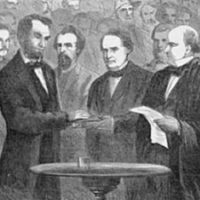
The Union at the Crossroads: the Election of 1864: July 8 - December 19, 2014
The election of 1864 was one of the most critical in the history of the United States. With the country embroiled in Civil War, Abraham Lincoln hoped to become the first incumbent president to be re-elected since Andrew Jackson in 1832. But as the campaign commenced, even Lincoln himself was not confident he would win the election against his Democratic rival, the former commander of the Army of the Potomac, Gen. George McClellan.
Dates:
July 8, 2014 - December 19, 2014
Location:
Lincoln Exhibition Case
Categories:
Drawings

Edward E. "Ted" Kaufman Papers: at the University of Delaware Library
In 2008, Governor Ruth Ann Minner appointed Edward E. “Ted” Kaufman to fill the U.S. Senate seat left vacant by Joseph R. Biden, Jr., who had just been elected Vice President of the United States. Senator Kaufman agreed not to seek re-election, noting that he had not raised money to become a Senator and would not fundraise to remain one. Kaufman fulfilled his promise, representing the state of Delaware only until a 2010 special Senate election was held, but he left the Senate with a reputation as a courageous and competent leader.
In 2010, the University of Delaware Library acquired the Edward E. “Ted” Kaufman papers, which document the time Kaufman spent as a United States Senator, with additional materials related to his earlier political career and post-Senate activities. This website accompanies the opening of the papers for research.
Created:
July 7, 2014
Location:
Online Only
Categories:
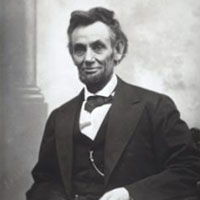
1864: Year of Destiny (Archived)
The year 1864 was a pivotal one in the American Civil War and the Presidency of Abraham Lincoln. The Union Army had achieved decisive victories in the July 1863 Battles of Gettysburg and Vicksburg and in March 1864, President Lincoln appointed Ulysses S. Grant commander in chief of all Union armies. Under Grant’s leadership, Union forces won battle after battle culminating in General William Tecumseh Sherman’s Savannah campaign, famously known as Sherman’s march to the sea.
Dates:
February 10, 2014 - June 8, 2014
Location:
Lincoln Exhibition Case
Categories:
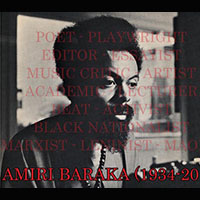
Amiri Baraka (1934-2014) (Archived)
Amiri Baraka, known early in his career as LeRoi Jones, was one of the most widely published African-American writers, producing provocative poetry, drama, fiction, essays, and music criticism. This exhibit highlights Baraka’s work.
Dates:
February 10, 2014 - April 30, 2014
Location:
Single Case Exhibition
Categories:
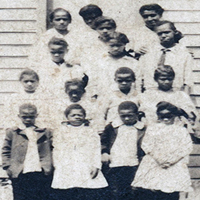
The Civil Rights Act of 1964: 50th Anniversary (Archived)
The 1963 March on Washington marked a watershed for this growing movement social movement. This exhibition explores the background, passage, and legacy of the 1964 Civil Rights Act, with particular emphasis on conditions in Delaware.
Dates:
February 4, 2014 - July 11, 2014
Location:
Information Room
Categories:
Nothing is True, Everything Is Permitted: William S. Burroughs at 100 (Archived)
2014 marks the centenary of the birth of the grandfather of the Beats, el hombre invisible, the gentleman junkie: William S. Burroughs (1914-1997).
Dates:
January 28, 2014 - June 13, 2014
Location:
Special Collections Gallery
Categories:
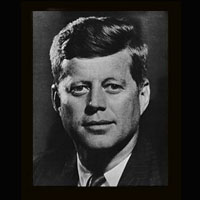
JFK: Poets Remember (Archived)
When Kennedy was assassinated on November 22, 1963, professional and amateur poets immediately began writing verses that expressed the shock and despair shared by millions. A similar thing had happened in 1865 when President Abraham Lincoln was shot to death by actor John Wilkes Booth.
Dates:
November 22, 2013 - December 18, 2013
Location:
Single Case Exhibition
Categories:
Mario Vargas Llosa: Nobel Laureate (Archived)
The exhibit documents Nobel Laureate Mario Vargas llosa’s literary and political contribution before, during, and after the Latin American Boom. The exhibition displays the author’s key literary publications.
Dates:
October 10, 2013 - December 13, 2013
Location:
Information Room
Categories:
Henry Morris, Printer: The Life and Times of The Bird & Bull Press (Archived)
Throughout his career Henry Morris has printed books which are renowned both for their aesthetic qualities and for the value of their textual content. Early this year (2013), Henry Morris announced his retirement, bringing a close to the Bird & Bull Press. This exhibition celebrates Henry Morris’s long and productive career.
Dates:
August 20, 2013 - December 13, 2013
Location:
Special Collections Gallery
Categories:
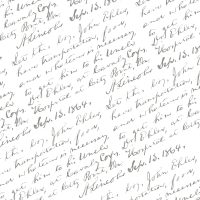
Books Acquired in Memory of William W. Swayze, III (Archived)
As a result of a generous donation from the Delaware Abraham Lincoln Bicentennial Commission, the University of Delaware Library has acquired a collection of more than seventy historic Civil War era pamphlets and other publications which will be designated in memory of William W. Swayze, III.
Dates:
July 18, 2013 - December 13, 2013
Location:
Lincoln Exhibition Case
Categories:
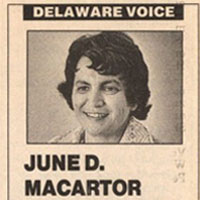
In Memoriam: June D. MacArtor, Esquire, Delaware’s Environmental Guardian (Archived)
One of Delaware’s first twenty-five women lawyers, June D. MacArtor (June 3, 1930 – June 13, 2013) leaves a legacy of ardent environmental stewardship and is credited with establishing a body of state court case law supporting coastal zone management and protection of public lands from encroachments.
Dates:
June 27, 2013 - July 30, 2013
Location:
Single Case Exhibition
Categories:
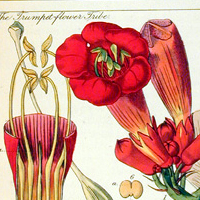
Earth Perfect: Selections from Special Collections and the Mark Samuels Lasner Collection (Archived)
Earth Perfect: Selections from Special Collections and the Mark Samuels Lasner Collection” is an exhibition of prints, books, artwork, trade catalogs, and sample books that was on display in conjunction with the University of Delaware symposium Earth Perfect?: Nature, Utopia and the Garden.
Dates:
June 6, 2013 - June 9, 2013
Location:
Information Room
Categories:
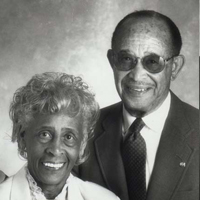
Fighting for Equality: Remembering Littleton P. Mitchell (Archived)
The items on display highlight the activities of Littleton “Lit” Mitchell as a member of the Tuskegee Airmen, his three-decades-long leadership of the Delaware NAACP, his career as a teacher and counselor at Governor Bacon Health Center in Delaware City, and his involvement in several other local and national organizations.
Dates:
May 1, 2013 - September 30, 2013
Location:
Information Room
Categories:
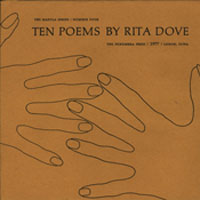
National Poetry Month: Celebrating the Poetry of Rita Dove (Archived)
This exhibition highlights poetry’s ongoing legacy and numerous cultural achievements of American Poets. In 1996, the Academy of American Poets established the month of April as National Poetry Month to emphasize poetry and its place in American Culture. In 2013, University of Delaware celebrated the poetry of Rita Dove.
Dates:
April 1, 2013 - May 1, 2013
Location:
Single Case Exhibition
Categories:
Women’s History Month 2013: Women Inspiring Innovation Through Imagination: Celebrating Women in Science, Technology, Engineering & Mathematics (Archived)
Women’s History Month raises awareness of the essential and influential roles women play in the development of our shared history. The theme for 2013 was Each year, the National Women’s History Project identifies a theme that highlights the myriad ways in which women have contributed to community-building and nation-building. This exhibition reflects Delaware women’s contribution in Science, Technology, Engineering and Mathematics.
Dates:
March 1, 2013 - March 31, 2013
Location:
Single Case Exhibition
Categories:
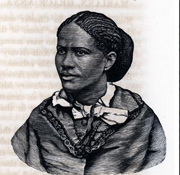
At the Crossroads of Freedom and Equality: Black History Month 2013 (Archived)
The Association for the Study of African American Life and History has dedicated Black History Month 2013 to commemorate two important anniversaries, the sesquicentennial of the Emancipation Proclamation and the fiftieth of the March on Washington. This exhibition celebrates the people who advocated for black emancipation, freedom, justice and equality, and the movements that have sought to achieve these goals.
Dates:
February 1, 2013 - February 28, 2013
Location:
Single Case Exhibition
Categories:
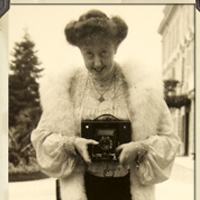
In Focus: Photography from Daguerreotype to Digital (Archived)
The exhibition In Focus: Photography from Daguerreotype to Digital reflects the technological evolution of photographic processes from 1839 until the present, at the same time presenting themes of photography as an indelible artistic, documentary, social, scientific and educational force since its inception. This online exhibition represents a walk-through of the Special Collections Gallery exhibition. Several themes were interpreted in the gallery, and many types of processes and prints were represented throughout.
Dates:
January 29, 2013 - June 14, 2013
Location:
Special Collections Gallery
Categories:
Emancipation Proclamation and Its Legacies (Archived)
The exhibition is a documentation of the Emancipation Proclamation and its legacy. It highlights people, organizations, and published material relating to life before and after the proclamation.
This exhibition was originally on display in the Lincoln Case on the second floor of Morris Library from January 22-June 3, 2013.
Dates:
January 22, 2013 - June 3, 2013
Location:
Lincoln Exhibition Case
Categories:
The World of the Graphic Novel (Archived)
This exhibition illustrates the evolution of the graphic novel in terms of genre. No longer the super hero comic of yesterday, authors have branched out to other fictional literary themes and non-fictional topics such as race, historical events, social commentary, and self reflection.
Dates:
January 15, 2013 - April 30, 2013
Location:
Information Room
Categories:
Credits and Debits: Viewing History through Account Books and Ledgers (Archived)
The nearly 150 volumes comprising the Account Books and Ledgers collection in the Special Collections of the University of Delaware Library provide more than simply financial information about the businesses or individuals that maintained them. Readers can also learn about the day–to–day existence of the people whose names appear in the volumes, including their professions, what they ate, how they dressed, and where they lived or visited.
Dates:
January 11, 2013 - January 30, 2013
Location:
Single Case Exhibition
Categories:

Remembering The Attack On Pearl Harbor (Archived)
Thomas Francis Jones, Sr., a native of Philadelphia, Pennsylvania, served in the Civilian Conservation Corps, 1937–1940, after which he served in the United States Army Coast Artillery. Jones enrolled in the United States Army and was stationed in Hawaii as a member of Battery C, 15th Coast Artillery. He was honorably discharged at the rank of Private First Class from the Army on July 12, 1945. Many of the items collected by Mr. Jones during his service in the Army, while stationed in Hawaii and during the war, were donated to the University of Delaware Library by his family in February 2012, some of which were displayed in this exhibit.
Dates:
December 3, 2012 - December 30, 2012
Location:
Single Case Exhibition
Categories:
John Munroe: Delaware Historian (Archived)
Dr. John A. Munroe (1914–2006) was a noted authority on Delaware history and a highly regarded educator who spent over 60 years on the faculty of the University of Delaware. The Wilmington native was also an alumnus, receiving his B.A. in 1936 and his M.A. in 1941. The University of Delaware named Dr. Munroe the H. Rodney Sharp Professor of History in 1962. Over the course of his career he also acted as head of the History Department, co–founded the Hagley Fellowship, and assisted with the establishment of the Winterthur Program in American Material Culture. The exhibit displayed his professional achievements through a photograph and his published material.
Dates:
November 13, 2012 - November 30, 2012
Location:
Single Case Exhibition
Categories:
Casablanca: 70th Anniversary (Archived)
This exhibition is in commemoration of the 70th anniversary of Casablanca, one of America’s greatest and most beloved films. or seventy years Casablanca has captivated movie–goers with its timeless themes of love, courage, and sacrifice as experienced through the lives of its characters.
Dates:
November 1, 2012 - December 14, 2012
Location:
Single Case Exhibition
Categories:
Mario Vargas Llosa (Archived)
Mario Vargas Llosa was born in 1936 in Arequipa, Peru. His diverse body of work includes more than thirty novels, plays, literary criticism, political essays, and other works of non–fiction. Latin American society and politics are central themes in Vargas Llosa’s works. He won the Nobel Prize in Literature in 2010.
Dates:
November 1, 2012 - November 30, 2012
Location:
Single Case Exhibition
Categories:
Motoring Into Archives Month (Archived)
American Archives Month is a collaborative effort by professional organizations and repositories around the nation to highlight the importance of records of enduring value. For 2012, the University of Delaware Special Collections exhibit was “Motoring into Archives Month” with selections that highlight early automobiles and their drivers in Delaware and beyond.
Dates:
October 1, 2012 - October 31, 2012
Location:
Single Case Exhibition
Categories:
Congress Week 2012: Congress: Chosen by the People: Selections from the Willard Saulsbury, Jr., Papers (Archived)
The selections for the exhibition are from Willard Saulsbury Jr., the last U.S. senator selected by the Delaware state legislature before direct popular elections enacted by the Seventeenth Amendment to the Constitution in 1913.
Dates:
September 10, 2012 - October 1, 2012
Location:
Single Case Exhibition
Categories:
Zines! Self-Publishing Youth Culture, Then and Now (Archived)
A form of self–publication, zines are amateur–produced, small–circulation magazines, typically created and distributed by one or two individuals. Zines are created using cheap, readily–available materials such as staples, tape, and photocopies. Zines often feature amateur artwork or a mash–up of images appropriated from popular culture.
Dates:
August 14, 2012 - December 14, 2012
Location:
Information Room
Categories:
Perfecting Nature: Medicine, Metallurgy & Mysticism (Archived)
Throughout the ancient and medieval time periods, the study and practice of alchemy was deeper and more complex than just the pursuit of turning lead into gold. Alchemy has a long, intricate history that is multifaceted and mysterious. It is both a scientific exploration of chemical substances and a spiritual philosophy seeking personal transformation. There have been approximately four thousand printed books issued between the sixteenth and eighteenth centuries, as well as several thousand manuscripts, letters and other writings in museums, libraries and private collections all over the world.
Dates:
August 12, 2012 - December 20, 2012
Location:
Special Collections Gallery
Categories:
Delaware Beaches: Tales from the Deep End (Archived)
Local legends and folklore have historical and cultural significance, and are an intrinsic part of a community’s identity. These stories spark intrigue and curiosity, as well as, provide insight into the past. This exhibition features books that focus on true stories of shipwrecks off the Delaware coast, legends about the Delaware Cape and local lore surrounding the shores of Delaware.
Dates:
August 1, 2012 - September 4, 2012
Location:
Single Case Exhibition
Categories:
The American Revolution: A War for Independence (Archived)
This exhibition highlights Delaware residents, John Dickinson, Thomas McKean, Charles Herbert, and Ceasar Rodney who were actively involved in the American Revolution, fighting for the colonies’ independence. This exhibit features letters, journals, and pamphlets from these men as well as popular pamphlets of the period.
Dates:
July 3, 2012 - July 31, 2012
Location:
Single Case Exhibition
Categories:
A Glimpse into the Future Dark: George Orwell’s Nineteen Eighty-Four (Archived)
First published on June 9, 1949, Nineteen Eighty–Four explored themes of war, nationalism, censorship, and state–sponsored surveillance, as seen through the eyes of a citizen in the totalitarian state of Oceania. Since its publication, the novel has been translated into dozens of languages and adapted into several film, radio, and television productions. Terms such as “Big Brother”, “Newspeak”, and “thoughtcrime” have become synonymous with authoritarian ideals and political manipulation.
Dates:
June 5, 2012 - July 2, 2012
Location:
Single Case Exhibition
Categories:
The Kelmscott Chaucer (Archived)
William Morris (1834–1896), poet, social reformer, and a leading figure in the Pre–Raphaelite movement, founded the Kelmscott Press in 1891. William Morris’ work had an enormous and beneficial effect on the printers of his time. He led the way back to using unified typography, and he reinstated the book illustrated by one artist and conforming to an overall design.
Dates:
June 1, 2012 - June 2, 2012
Location:
Single Case Exhibition
Categories:
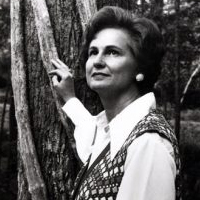
Virginia Spencer Carr, 1929-2012: A Biographer’s Work (Archived)
Virginia Spencer Carr, the noted literary biographer whose papers are held by the University of Delaware Library, died on April 10, 2012, at her home in Lynn, Massachusetts. Carr’s award-winning 1975 biography of Carson McCullers, the darkly Southern writer of novels and stories featuring memorably isolated characters, was meticulously researched and remains the standard biography of McCullers.
Dates:
May 10, 2012 - June 30, 2012
Location:
Single Case Exhibition
Categories:
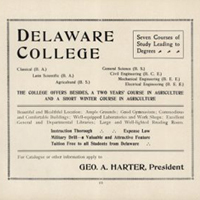
Through the Years: The University of Delaware Through the Yearbooks (Archived)
The first yearbook was published by Delaware College in 1899 as the Aurora. The Blue Hen title was adopted in 1911. Until the implementation of co–education in 1945, the Blue Hen included only the all–male Delaware College. The yearbook of the Women’s College of Delaware, which began operation in 1914, was called the Blue and Gold. In 1946, the Blue Hen became the official yearbook of the newly co–educational institution. In 1948, the Blue Hen began annual publication that continued until it ceased production in 1999.
Dates:
May 8, 2012 - July 2, 2012
Location:
Information Room
Categories:
The War of 1812: America’s Forgotten War (Archived)
The year 2012 marks the two–hundredth anniversary of the War of 1812, which was fought between the United States of America and the British Empire from 1812 to 1815.
Dates:
May 1, 2012 - May 31, 2012
Location:
Single Case Exhibition
Categories:
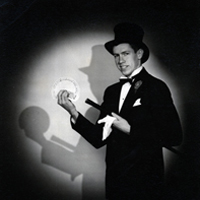
Enjoy Magic With Warner Perry (Archived)
Clarence Warner Perry, Jr. (1921–1997) was a lifelong magic enthusiast and an amateur magician. The Warner Perry Collection was donated to the University of Delaware by the estate of Warner Perry and consists of Perry’s personal collection of printed books about stage magic and his own personal papers which documents his own magic practice.
Dates:
April 2, 2012 - April 30, 2012
Location:
Single Case Exhibition
Categories:
J.M.G. Le Clezio: An Exhibition (Archived)
J.M.G. Le Clézio won the Nobel Prize in Literature in 2008. In its citation, the Swedish Academy praised Mr. Le Clézio as “an author of new departures, poetic adventure and sensual ecstasy” as well as “the explorer of a humanity beyond and below the reigning civilization”.
Dates:
April 2, 2012 - May 14, 2012
Location:
Single Case Exhibition
Categories:
Women’s Education–Women’s Empowerment: Celebrating Women’s History Month (Archived)
The theme for 2012 is “Women’s Education–Women’s Empowerment,” which recognizes the essential role higher education has played in granting women political, economic, and social agency–and the biases, stereotypes, and pseudoscience women have faced to be educated equally with men.
Dates:
March 1, 2012 - March 31, 2012
Location:
Single Case Exhibition
Categories:
Dickens and the Late Victorians Selections from the Mark Samuels Lasner Collection (Archived)
This exhibition illustrates the literary and artisitc works of Charles Dickens, his contributors, and admirers from the Mark Lasner collection.
Dates:
February 18, 2012 - March 1, 2012
Location:
Single Case Exhibition
Categories:
Celebrating Black Women in American Culture and History: Black History Month 2012 (Archived)
The Association for the Study of African American Life and History has dedicated Black History Month 2012 to exploring African American women’s roles in and contributions to American history. In the face of extreme challenges and oppression due to both their race and gender, these Black female Americans made lasting contributions to American society, politics, history and culture for which we celebrate them.
Dates:
February 1, 2012 - February 29, 2012
Location:
Single Case Exhibition
Categories:
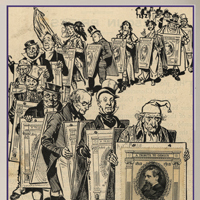
Dickens at 200: 1812-2012 (Archived)
Victorian novelist Charles Dickens achieved literary super-stardom in his own lifetime and remains widely popular 200 years after his birth. Although he never publicly discussed it, he never forgot the financial instability of his childhood which temporarily led to debtor’s prison for his father and a factory job for the 12–year–old Charles. Beginning as a young man, Dickens’s walked for miles in the city, developing an intimate familiarity with not only the kinds of people who lived there, but London itself.
Dates:
January 24, 2012 - June 8, 2012
Location:
Special Collections Gallery
Categories:
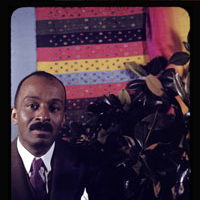
J. Saunders Redding (Archived)
This exhibition celebrates the life and career of prominent African American author, critic, and educator J. Saunders Redding.
Dates:
January 17, 2012 - April 27, 2012
Location:
Information Room
Categories:
Edith Wharton: Celebrating 150 Years (Archived)
2012 marks the 150th anniversary of the birth of American author Edith Wharton (January 24, 1862 – August 11, 1937). Born into a prominent, wealthy, New York City family; throughout her life she rebelled against the high–society leisure lifestyle. Wharton often wrote critically about the societal norms of the upper–class to which she was subjected. Many of her works are well–known for the main characters suffering twists of fate and devastating irony. The exhibition features special copies and best known works.
Dates:
January 4, 2012 - January 31, 2012
Location:
Single Case Exhibition
Categories:

A Chill in the Air: A Wintry Mix from Special Collections (Archived)
As nature retreats, temperatures fall, and days grow short, winter’s extremes inspire artists and writers alike. More than any other, too, the winter season brings friends and families together. Enjoy a selection of printed works from Special Collections that highlights the beauty of the season.
Dates:
December 1, 2011 - December 23, 2011
Location:
Single Case Exhibition
Categories:
Coach Dave Nelson: A Tradition of Excellence (Archived)
This exhibition celebrates the career of renowned football rules authority and former University of Delaware coach David M. Nelson.
Dates:
November 2, 2011 - November 30, 2011
Location:
Single Case Exhibition
Categories:
American Archives Month: The “Merci” Train (Archived)
In the aftermath of WWII, individual French citizens donated enough gifts to fill 49 boxcars, which were then shipped to the United States. Each state received a boxcar from the “Merci Train,” with Hawaii (then a territory) and Washington, D.C., sharing one. A selection of the gifts from Delaware’s boxcar were given directly to the University. Over time the whereabouts of many of the “Merci Train” gifts have been lost, but three of Delaware’s gifts remain in the holdings of the University of Delaware Library’s Special Collections Department (MSS 440). On display are three manuscripts of local history and geography produced by A. Carriere of Millau, Aveyron, France, as well as a letter expressing the thanks of the author and the people of that region.
Dates:
October 4, 2011 - October 31, 2011
Location:
Single Case Exhibition
Categories:
Congress Week 2011: Congress: Of the People, By the People, For the People: Selections from the Papers of the Hon. Michael N. Castle (Archived)
This selection of documents from the papers of the Hon. Michael N. Castle (U.S. House of Representatives, 1993-2011) illustrates the range of duties performed by a member of Congress: voting, responding to constituent concerns, participating in hearings, serving on committees, providing government oversight, making public statements on the Floor of Congress, and making laws.
Dates:
September 12, 2011 - October 3, 2011
Location:
Single Case Exhibition
Categories:
Mediamorphosis: Periodicals Across the Pond (Archived)
Periodicals Across the Pond” is an exhibition of magazines and print ephemera from the Mark Samuels Lasner Collection and the University of Delaware Library’s Department of Special Collections that was on display Friday, September 9, 2011, in conjunction with the University of Delaware symposium “Mediamorphosis.”
Dates:
September 9, 2011 - September 9, 2011
Location:
Single Case Exhibition
Categories:
A Decade of Donors: 2000-2010 (Archived)
From its very earliest days, the University of Delaware Library has benefited from the generosity of both monetary gifts and donations of materials, including rare books and manuscripts. Many of Special Collections’ most unique items have been gifts, and without the munificence of donors, these items could not have been otherwise acquired.
Dates:
August 23, 2011 - December 16, 2011
Location:
Special Collections Gallery
Categories:

International Year of Chemistry 2011 (Archived)
The International Year of Chemistry is a year-long, world-wide celebration of the history and achievements in the field of chemistry which is sponsored by IUPAC, the International Union of Pure and Applied Chemistry, and of UNESCO, the United Nations Educational, Scientific, and Cultural Organization.
Dates:
August 9, 2011 - December 14, 2011
Location:
Information Room
Categories:
Fresh From The Garden: Seed Catalogs In Special Collections (Archived)
Special Collections’ holdings in seed catalogs comprise the serial publications of over 700 American and European seed houses and nurseries from the late eighteenth century to the present, with a concentration in the years between 1870 and 1930. These catalogs are just one part of Special Collections outstanding historical horticulture collection.
Dates:
August 1, 2011 - August 31, 2011
Location:
Single Case Exhibition
Categories:
American Military Pocket Atlas (Archived)
The American Military Pocket Atlas was printed at the onset of the American Revolution to provide British officers with an accurate and portable atlas of all likely theaters of operation in the colonies. Officers would have carried the map into combat either in their pocket or in a holster. As originally issued, the maps would fold in and out of the bound volume, so as to allow for ease of transport; conservation treatment has since required that they be removed from the volume.
Dates:
July 6, 2011 - July 31, 2011
Location:
Single Case Exhibition
Categories:
Selections from the Otto C. Rentner, Lincoln and Civil War Literature Collection (Archived)
This exhibition celebrates the 2010 gift of the Otto C. Rentner Lincoln and Civil War Literature Collection by his granddaughter and son-in-law, Fran and David Lupardus. The Rentner Collection contains a variety of books, journals, and ephemera focusing on Abraham Lincoln and the Civil War era. The collection is particularly strong for books published in the late-nineteenth and early-twentieth centuries.
Dates:
June 1, 2011 - December 20, 2011
Location:
Lincoln Exhibition Case
Categories:
400 Years Of The King James Bible (Archived)
The year 2011 marks the four-hundredth anniversary of the printing of the King James Bible. Seven years in the making, the King James Bible was the product of six teams of approximately forty-seven translators drawn from Cambridge, Oxford and Westminster Abbey who represented some of the nation’s best scholarly minds. The volume in this exhibit is a copy of the second printing of the King James Bible.
Dates:
May 16, 2011 - June 30, 2011
Location:
Single Case Exhibition
Categories:
Neil Simon’s The Good Doctor Typescripts (Archived)
In this exhibition, three versions of the script from the University of Delaware Library Special Collections’ Richard Hoffman — Neil Simon collection are on display: a first draft dated “Spring of 1973,” a final draft dated November 27, 1973, and an undated copy of the screenplay which was produced by the Public Broadcasting Service in 1978 starring Edward Asner, Richard Chamberlain and Marsha Mason.
Dates:
May 2, 2011 - May 15, 2011
Location:
Single Case Exhibition
Categories:
Global Astronomy Month: One People, One Sky (Archived)
The exhibit features three books on how astronomers shared ideas, observations, findings and theories (even if not always correct) throughout the centuries, building upon each other’s work to make important contributions of their own. The two manuscripts on display are evidence of the enduring and pervasive fascination that studying the sky has had on amateur astronomers and enthusiasts.
Dates:
April 1, 2011 - April 30, 2011
Location:
Single Case Exhibition
Categories:
From the Past, for the Future: Celebrating Women’s History Month With Selection from Special Collections (Archived)
Dates:
March 1, 2011 - March 31, 2011
Location:
Single Case Exhibition
Categories:
Poetry Slams: Where Artistic Verbal Creations Compete (Archived)
Slam poetry is a form of spoken word performance poetry, held at a competitive poetry event or ‘slam’. Poets perform their own work which is “judged” on a numeric scale by randomly picked members of the audience. This exhibition highlights slam poetry’s founding father, publicity, women’s contribution to the art and specific poets.
Dates:
February 1, 2011 - June 10, 2011
Location:
Information Room
Categories:
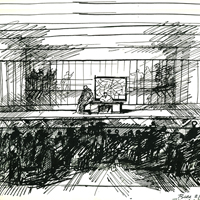
Playwrights, Production and Performance: American Theater in the 20th Century (Archived)
As a powerful and often overlooked medium in a technology driven-world, theater has consistently challenged social, political and cultural norms. Theater played an important role in these movements. Most playwrights did not limit themselves to one style of writing or participating in only one movement. The playwrights celebrated in this exhibit experimented not only with their own writing, but also with pushing the limits of what the theater was capable of being.
Dates:
January 28, 2011 - June 8, 2011
Location:
Special Collections Gallery
Categories:
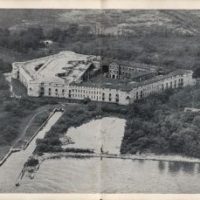
A State Divided: Delaware During the Civil War (Archived)
During the Civil War, Delaware was one of five border states—in addition to Kentucky, Maryland, Missouri, and later West Virginia—slave states that remained in the Union but bordered states that joined the Confederacy. Delaware represented a microcosm of the nation as a whole on matters of states’ rights, slavery, and support for the Union cause. The exhibit reflects Delaware’s unique position during the Civil War through letters, sermons, speeches, lithographs, photographs and books.
Dates:
January 27, 2011 - December 20, 2011
Location:
Lincoln Exhibition Case
Categories:
January 17, 2011: The 25th Anniversary of Martin Luther King Jr. Day (Archived)
The exhibit features a version of Martin Luther King, Jr.’s Letter from Birmingham Jail is a limited edition that features eight serigraph prints created by artist Faith Ringgold. The inspirational text of King’s letter is interspersed with Ringgold’s unique and colorful illustrations. Ringgold’s serigraphs depict examples of key issues that prompted the necessity of the Civil Rights movement and highlight significant events of the Civil Rights movement, commented on by King in the letter.
Dates:
January 1, 2011 - January 1, 2011
Location:
Single Case Exhibition
Categories:
Archives Month 2010: Making Connections: Archives and Imagination (Archived)
The Archives Month theme for 2010 is “Making Connections: Archives and Imagination.” Archivists/Librarians assist people from all walks of life to find historical information by knowing collections of original records and by identifying data that may be unknown to the researcher. Thus, they lead the way in exploring the connections among data and documents in researching historical records.
Dates:
October 1, 2010 - October 1, 2010
Location:
Single Case Exhibition
Categories:
From Oxford to Narnia: The Literary World of C.S. Lewis (Archived)
This exhibition documents the life and career of C.S Lewis. Lewis’s best-loved books, The Chronicles of Narnia children’s series, has sold more than 100 million copies worldwide. The Lion, the Witch and the Wardrobe was first published in 1950 at a time when children’s literature was dominated by realism. The Narnia books, with portals to imaginary lands, talking animals and trees, giants, fauns, magic, and the lion Aslan, helped restore fantasy as a popular genre for children.
Dates:
September 20, 2010 - December 17, 2010
Location:
Information Room
Categories:

Congress Week 2010: Main Street to Capitol Hill (Archived)
The University of Delaware Library joins the Association of Centers for the Study of Congress to celebrate the first annual Congress Week, September 13-17, 2010. “Main Street to Capitol Hill” recognizes the American voices which are so richly documented in the personal papers of members of Congress found in archives and libraries across the country.
Dates:
September 13, 2010 - September 17, 2010
Location:
Single Case Exhibition
Categories:
London Bound: American Writers in Britain, 1870-1916 (Archived)
To be “London Bound” was common among turn-of-the-century authors on the other side of the Atlantic. Whether they were American, Canadian, or even Cuban, many made the voyage to Britain, either for short visits or to settle there permanently as expatriates—in some cases, binding themselves to their new homes through marriage to English spouses. Many, too, sent their plays to West End theatre producers, their articles to British periodicals, and their manuscripts to London publishing firms, which issued them as bound books.
Dates:
August 24, 2010 - December 17, 2010
Location:
Special Collections Gallery
Categories:
Utilizing Wind To Generate Electricity: A Developing Alternative Power Source On The East Coast (Archived)
This exhibition includes information on the economic climate and financial investment required to establish and sustain wind power plants and transmission systems, the technology and engineering concepts to make the process of electricity production and distribution work, wind power’s effect on the environment and human health, and how individuals and organizations during the last century and a half achieved these breakthroughs.
Dates:
July 9, 2010 - September 7, 2010
Location:
Information Room
Categories:
Contemporary African American Literature from the Richard Hoffman Collection (Archived)
In celebration of Black History month (February 2010) the exhibition “Contemporary African American Literature from the Richard Hoffman Collection,” will be on display through June 29, 2010. The exhibition is drawn entirely from material donated by Richard Hoffman, a Brooklyn-based collector and book dealer who assembled a number of literary collections over a period of many years.
Dates:
January 26, 2010 - June 29, 2010
Location:
Information Room
Categories:
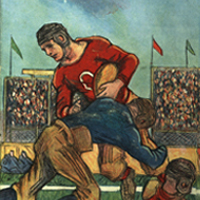
Games People Play: A Historical Perspective (Archived)
The exhibition, “Games People Play,” in the Special Collections Exhibition Gallery of the Morris Library will highlight books and manuscripts about sports and games from a historical perspective.
Dates:
January 26, 2010 - June 25, 2010
Location:
Special Collections Gallery
Categories:
ABC: An Alphabet Exhibition (Archived)
This exhibition in the Special Collections Gallery of the Morris Library displays a wide range of books with an alphabet theme. Included are typography books, calligraphy and writing manuals, children’s books, fine press and artists’ books, and miniature books.
Dates:
August 24, 2009 - December 18, 2009
Location:
Special Collections Gallery
Categories:
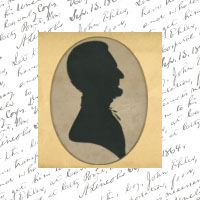
Abraham Lincoln: A Bicentennial Celebration (Archived)
The exhibition in the Morris Library celebrates the 200th anniversary of the birth of Abraham Lincoln. Books, manuscripts, photographs, and artwork from Special Collections will be on display.
Dates:
January 27, 2009 - June 5, 2009
Location:
Lincoln Exhibition Case
Categories:
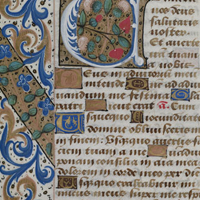
Building The Future, Remembering The Past: Fifty Years of the University of Delaware Library Associates (Archived)
The exhibition in the Morris Library celebrates the fiftieth anniversary of the friends of the library. Examples of important gifts in literature, history, science and art are displayed. Of special interest is a fifteenth-century illuminated manuscript Book of Hours acquired especially for the Fiftieth Anniversary Celebration.
Dates:
August 19, 2008 - December 12, 2008
Location:
Special Collections Gallery
Categories:
Little Known Histories of Newark, Delaware, 1758-2008: An Exhibition (Archived)
Though still considered a small town in 2008 with a permanent population under 30,000, Newark’s history of growth and change since 1758 is a reflection of significant developments in the history of many American cities over the last 250 years.
Dates:
February 19, 2008 - June 20, 2008
Location:
Special Collections Gallery
Categories:
The Lincoln Assassination Conspiracy: An Exhibition (Archived)
The assassination of President Abraham Lincoln, the attempt on the life of Secretary of State William H. Seward, the activities of the conspirators, and the investigation and trials which followed are among the most heavily documented events in history. The Lincoln Collection houses a wealth of material on all of these topics.
Dates:
February 4, 2008 - December 22, 2008
Location:
Lincoln Exhibition Case
Categories:
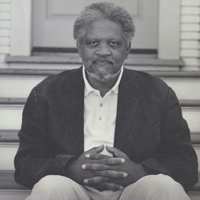
Ishmael Reed: An Exhibition (Archived)
Ishmael Reed: An Exhibition celebrates the literary career of the distinguished American author Ishmael Reed. The University of Delaware Library is the official repository for the papers of Ishmael Reed and the exhibit includes books, original manuscripts, photographs, artwork, and other materials drawn from the extensive collection of the author’s books and literary papers in Special Collections.
Dates:
August 16, 2007 - December 16, 2007
Location:
Special Collections Gallery
Categories:
Avant-Garde Typography in Literature (Archived)
Typography has been used for thousands of years to elucidate and expand upon the narrative of a literary text. From the “shape poems” of the ancient Greeks and the Elizabethans to the well-known playfulness of E.E. Cummings, how a text looks has been as important as what it “means.” This exhibition presents a brief overview of various forms of typographical artistry and innovation.
Dates:
June 16, 2007 - September 21, 2007
Location:
Information Room
Categories:
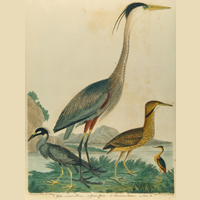
The Animal Kingdom: Six Centuries of Zoological Illustration (Archived)
“The Animal Kingdom: Six Centuries of Zoological Illustration” is based on the superb collection of books in Special Collections containing scientific and artistic images of animals dating from the sixteenth to the twenty-first centuries. The exhibition includes images of animals from early printed herbals and travel books of the sixteenth century.
Dates:
February 13, 2007 - June 12, 2007
Location:
Special Collections Gallery
Categories:
From Verne to Vonnegut: A Century of Science Fiction (Archived)
This exhibit highlights notable authors, works, and themes of science fiction from the 15th century to the 21st.
Dates:
August 22, 2006 - December 15, 2006
Location:
Special Collections Gallery
Categories:
The American Photographer As Historian (Archived)
As witness to history, photographers endure glorious and unforeseen obstacles to capture a moment that would otherwise be lost. The preservation of a small or monumental instance is the backbone of this visual media. The exhibition is organized in four categories: People and places, nature and human nature, photojournalism, and material culture.
Dates:
June 13, 2006 - September 21, 2006
Location:
Information Room
Categories:
Ezra Pound in His Time & Beyond (Archived)
Ezra Pound was a American poet who played a key role in promoting and helping other artists and writers during the twentieth century. The exhibition is divided into various sections examining the various aspects of Pound’s work.
Dates:
February 14, 2006 - June 16, 2006
Location:
Special Collections Gallery
Categories:
Abraham Lincoln and Civil Liberties in Wartime (Archived)
This exhibition showcases documentary evidence of instances where people were affected by Lincoln’s suspension of Habeas Corpus.
Dates:
February 7, 2006 - December 15, 2006
Location:
Lincoln Exhibition Case
Categories:
Robin Hood: Selected Sources (Archived)
This exhibit showcases books that attest to the continued popularity of Robin Hood and to the variety of editions, chapbooks, and writings about his career. The noted Brandywine illustrators, N. C. Wyeth and Howard Pyle, have contributed to the Robin Hood corpus through the written word and celebrated illustrations. Douglas Fairbanks, Jr., Errol Flynn, Mel Brooks, and Kevin Costner have all lent their dramatic talents to developing the heroic and comic possibilities of the “prince of thieves.” A sampling of renowned scholars of the Robin Hood legend and of earlier literature also appears in the exhibit.
Dates:
August 26, 2005 - December 16, 2005
Location:
Information Room
Categories:
Franklin and Friends: An Exhibition (Archived)
This exhibit celebrates Ben Franklin as a printer, scientist, statesman, abolitionist and author.
Dates:
August 16, 2005 - December 16, 2005
Location:
Special Collections Gallery
Categories:
Vietnam in Their Own Words (Archived)
“Vietnam in Their Own Words” is a timely entré to Morris Library’s collection of over 2,000 books pertaining to the war. Other library resources include Special Collections manuscript collections, DVDs and videotapes, maps, U.S. Government documents, Internet resources, databases and electronic journals. This exhibit includes government reports, personal narratives and other works of non-fiction, as well as fiction, poetry, drama and photography by American soldiers and journalists and Vietnamese soldiers and citizens.
Dates:
June 3, 2005 - August 19, 2005
Location:
Information Room
Categories:
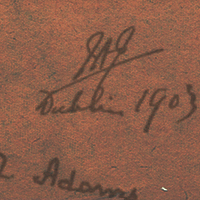
A Manuscript Sampler (Archived)
Collecting original manuscripts, autographs, and documents is one of the oldest forms of antiquarian collecting. The University of Delaware Library houses world-renowned manuscript and archival collections in a variety of subject areas with particular strength in English, Irish, and American literature; history and Delawareana; art and architecture, horticulture; and the history of science and technology. “A Manuscript Sampler” displays examples from all of these categories.
Dates:
February 15, 2005 - June 17, 2005
Location:
Special Collections Gallery
Categories:
American Wood Engravers (Archived)
In conjunction with the major exhibition John DePol: Artist and Engraver currently in the Special Collections Gallery, this small exhibition highlights books in the Morris Library’s collections illustrated with wood engravings and wood cuts. The exhibition focuses on well-known twentieth-century American artists who use these techniques for book illustration. Each of these artists has a distinctive style, but each follows in the four-hundred-year tradition of wood block printing.
Dates:
August 24, 2004 - June 17, 2004
Location:
Information Room
Categories:
John DePol: American Engraver (Archived)
John DePol has been an artist for more than seventy years. He is considered to be one of the great exemplars in the field of wood engraving, having produced thousands of images for commercial graphic design as well as for private presses and fine printers. This exhibit celebrates his career and accomplishments.
Dates:
August 24, 2004 - December 17, 2004
Location:
Special Collections Gallery
Categories:
Gardeners on Gardening (Archived)
“Gardeners on Gardening” showcases a selection of books by gardeners who have written with passion about the art of gardening and horticulture. Appealing to botanists, landscape architects, and backyard gardeners, the exhibition includes books from the nineteenth through the twenty-first century.
Dates:
June 1, 2004 - August 17, 2004
Location:
Information Room
Categories:
Literature Reimagined: An Exhibition of Illustrated Texts (Archived)
The exhibit offers multiple editions of popular literary works, focusing on the ways in which they have been reinterpreted over time. These books have been transformed by artists, writers, and publishers to conform to their personal visions and the work’s perceived audience.
Dates:
February 10, 2004 - June 18, 2004
Location:
Special Collections Gallery
Categories:
Mother-Daughter Relationships in Contemporary Fiction (Archived)
All women writers are daughters, and many of them are mothers. Their natural fascination with the emotional bonds between daughters and mothers has led them to create stories about complex and varied relationships, some autobiographical in nature.
Dates:
October 14, 2003 - January 23, 2004
Location:
Information Room
Categories:
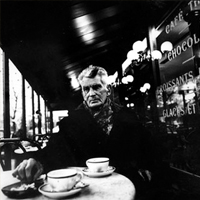
Samuel Beckett: A Celebration (Archived)
This exhibit celebrates the life and long and distinguished career of Samuel Beckett (1906-1989), an Irish poet, playwright and novelist.
Dates:
August 26, 2003 - December 19, 2003
Location:
Special Collections Gallery
Categories:
Defining Her Life: Advice Books for Women (Archived)
Among the most common types of literature found on home bookshelves, over the past three hundred years, has been the advice or conduct book. Since the publication of Gervase Markham’s The English-Housewife in 1615, advice books for women have incorporated both philosophical and practical guidance. These works not only taught the skills of household management, cooking, gardening, etiquette, childcare, and family medical care, but they also conveyed the appropriate role of a woman in society.
Dates:
February 11, 2003 - June 13, 2003
Location:
Special Collections Gallery
Categories:
Shared Voices: Modern Gay Literature, A Bibliography (Archived)
This exhibition showcased anthologies and diverse selections by gay and lesbian writers.
Dates:
September 1, 2002 - December 31, 2002
Location:
Information Room
Categories:
Recent Acquisitions (2002): Selections From an Exhibition in Special Collections (Archived)
The exhibition, which is curated by the Special Collections staff, presents a selection of rare books, manuscripts, and other materials acquired between 2000 and 2002. The exhibition contains materials representing all of Special Collections’ primary collecting areas, including the history of science and technology, horticulture, American, British, and Irish literature, the history of printing and book arts, art and architecture, and Delaware history and life.
Dates:
August 27, 2002 - December 18, 2002
Location:
Special Collections Gallery
Categories:
Delaware Cooks: A Selection of Cookbooks Published In Delaware (Archived)
This exhibition showcased cookbooks centered on Delaware cuisine and recipes by Delaware residents.
Dates:
April 2, 2002 - August 9, 2002
Location:
Information Room
Categories:
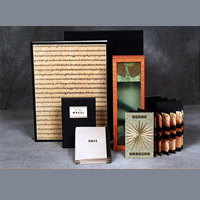
Personal Visions: Artists' Books At The Millennium (Archived)
The exhibition Personal Visions: Artists Books at the Millennium demonstrates that both traditional and avant-garde book arts remain dynamic. Both give voice to artistic creativity and both challenge the reader to become involved in the reading experience. By focusing on works published since 1995, the exhibition allows for clear comparisons among current works.
Dates:
January 15, 2002 - June 9, 2002
Location:
Special Collections Gallery
Categories:
Labyrinths and Magic Flowers: Spotlighting Contemporary Latin American Literature (Archived)
This exhibition showcased contemporary Latin American literature.
Dates:
September 25, 2001 - March 18, 2001
Location:
Information Room
Categories:
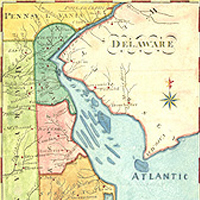
Picturing Delaware: Maps and Illustrations of the First State (Archived)
For this exhibition, the subject is the landscape of Delaware as portrayed by artists, photographers, and mapmakers. The subtext, however, is the evolution of the state from predominately agricultural to urban/suburban.
Dates:
August 21, 2001 - December 19, 2001
Location:
Special Collections Gallery
Categories:
Dark Romanticism: Bryon, Coleridge, Mary Shelley, and the Pursuit of the Supernatural (Archived)
“Dark Romanticism” is an exhibition featuring the works of English Romantic writers Lord Byron, Samuel Coleridge, Mary Shelley, and John Polidori.
Dates:
May 29, 2001 - September 14, 2001
Location:
Information Room
Categories:
The Art of Botanical Illustration (Archived)
The Art of Botanical Illustration highlights selections from the University of Delaware’s Special Collections which show the development of botanical illustration from early printed books to the present day. The primary goal of botanical illustration is not art, but scientific accuracy. It must portray a plant with the precision and level of detail for it to be recognized and distinguished from another species.
Dates:
February 8, 2001 - June 8, 2001
Location:
Special Collections Gallery
Categories:
Paul Bowles, 1910-1999 (Archived)
A Morris Library exhibition that was to honor Paul Bowles on the occasion of his ninetieth birthday has become both a memorial tribute to him and a celebration of his genius. Highlights of his career as revealed in his published and unpublished writings are showcased.
Dates:
August 22, 2000 - December 12, 2000
Location:
Special Collections Gallery
Categories:
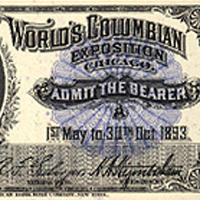
Progress Made Visible: American World's Fairs and Expositions (Archived)
The Special Collections Department of the University of Delaware Library holds a wide variety of primary source materials relating to the World’s Fairs and Expositions held in the United States between 1876 and 1939.
Dates:
February 8, 2000 - June 8, 2000
Location:
Special Collections Gallery
Categories:
Our Forgotten Children: Resources on Child Abuse and Neglect (Archived)
The University of Delaware Library presented an exhibition of books highlighting its resources in the area of child abuse and neglect.
Dates:
February 1, 2000 - May 16, 2000
Location:
Information Room
Categories:
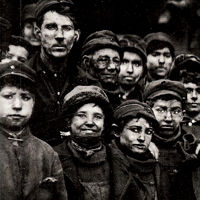
Tradition and the Polish Immigrant (Archived)
This exhibition celebrating Polish-American heritage was held in conjunction with the October celebration of Polish-American Heritage Month. The exhibition consisted of books and Internet resources that illustrate the Polish immigrant experience, their folk art and customs, and their music and dance. In addition, the exhibition highlighted some famous Polish-Americans who have made significant contributions in the fields of science, music, sports, art, and literature.
Dates:
September 22, 1999 - January 18, 2000
Location:
Information Room
Categories:
Forging A Collection: The Frank W. Tober Collection on Literary Forgery (Archived)
The Frank W. Tober Collection is comprised of nearly four thousand books and periodicals, hundreds of manuscripts and papers, and a variety of other materials, including artwork and ephemera. The cornerstone of Dr. Tober’s personal library was his collection on literary forgery. Dr. Tober also pursued such related topics as literary hoaxes, imaginary voyages, counterfeiting, forensics, and the technology of forgery detection. All of these topics are represented in the exhibition Forging a Collection.
Dates:
August 19, 1999 - December 15, 1999
Location:
Special Collections Gallery
Categories:
Virginia Woolf Turning the Centuries (Archived)
“Virginia Woolf Turning the Centuries,” an exhibition of library materials relating to British author Virginia Woolf (1882-1941), was held in conjunction with the Ninth Annual Virginia Woolf Conference titled “Virginia Woolf Turning the Centuries,” which was hosted on campus by the University of Delaware English Department from June 10-13, 1999.
Dates:
May 19, 1999 - September 7, 1999
Location:
Information Room
Categories:
Lands of Opportunity: Books of the States (Archived)
Lands of Opportunity describes the formation of the United States through fifty books, one for each of the fifty states. The story of five hundred years of American history is developed through the stories of explorers, soldiers, merchants, scientists, farmers, and miners. The dreams of wealth and glory of the early explorers, the destruction of the civilization of the native peoples, the harsh realities of farm life on the prairie, and the rise and fall of the gold mines in California are all described in these texts.
Dates:
February 16, 1999 - June 11, 1999
Location:
Special Collections Gallery
Categories:
Black, Brown, and Beige: A Centennial Tribute to Duke Ellington (Archived)
This exhibition celebrating the life of Edward Kennedy Ellington consists of books, photographs, printed music, sound recordings, and Internet resources and provides a brief commemorative of his life and work. In addition to addressing the highlights of his career, the exhibition seeks to convey some of Ellington’s many contributions to African American music and culture, and the ways in which he has enhanced the American musical landscape.
Dates:
February 1, 1999 - May 7, 1999
Location:
Information Room
Categories:
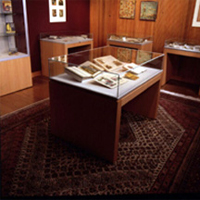
Four Decades of Library Support (Archived)
Four Decades of Library Support, which includes some of the rarest and most important books in the Library’s collection, focuses on books acquired with the financial support of the University of Delaware Library Associates.
Dates:
September 9, 1998 - December 16, 1998
Location:
Special Collections Gallery
Categories:
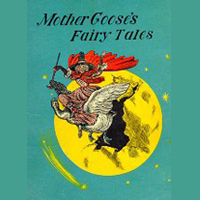
World of the Child: Two Hundred Years of Children's Books (Archived)
Obedient miniature adult, mischievous free spirit, or mini-consumer–the image of the child in society has changed many times over the past three hundred years. The books given to children are meant to mold or train the young mind to the values of their elders. For this reason, children’s literature is often more reflective of the adult society than of the intended readers.
Dates:
February 17, 1998 - June 12, 1998
Location:
Special Collections Gallery
Categories:

African American Poetry (Archived)
This exhibition consisted of two separate installments. The first exhibit featured African American poetry of the eighteenth and nineteenth centuries. Well-known authors such as Phillis Wheatley and Paul Laurence Dunbar will be included, but the work of lesser-known figures, such as Jupiter Hammon, George Moses Horton, and Frances E.W. Harper will also be presented. The second display focused on African American poetry during the twentieth century and will include work by Countee Cullen, Alice Dunbar Nelson, Sterling Brown, Gwendolyn Brooks, Amiri Baraka, Ishmael Reed, Audrey Lorde, Maya Angelou, Wanda Coleman, Rita Dove, and a host of other African American poets.
Dates:
February 6, 1998 - May 5, 1998
Location:
Information Room
Categories:
Self Works: Diaries, Scrapbooks, and other Autobiographical Efforts (Archived)
This exhibit features self-consciously created autobiographies or memoirs in which individuals explore life meaning or historical context, as well as private diaries and journals in which authors unintentionally bestow rich personal texture to the fabric of history.
Dates:
August 19, 1997 - December 18, 1997
Location:
Special Collections Gallery
Categories:
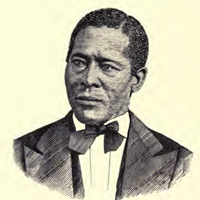
The Underground Railroad in Delaware (Archived)
This exhibition features a selected list of titles that highlight Delaware’s contribution to the Underground Railroad.
Dates:
June 9, 1997 - October 6, 1997
Location:
Information Room
Categories:

William Faulkner: A Centenary Celebration (Archived)
William Faulkner: A Centenary Celebration, an exhibition in the Special Collections Gallery of the Morris Library, pays tribute to one of America’s most prolific and profound authors.
Dates:
March 17, 1997 - June 20, 1997
Location:
Special Collections Gallery
Categories:
Color Printing in the Nineteenth Century (Archived)
Color Printing in the Nineteenth Century documents these changes in color printing technology by displaying some of the finest examples of books illustrated in color, published from the last quarter of the eighteenth century until the beginning of the twentieth century.
Dates:
August 27, 1996 - December 19, 1996
Location:
Special Collections Gallery
Categories:
Trade Catalogs in the University of Delaware Library (Archived)
“Trade Catalogs in the University of Delaware Library” strove to demonstrate the lasting historical importance of this often overlooked genre. In addition, the exhibition brings to notice the strong collection of trade catalogs housed in the Special Collections Department of the University of Delaware Library.
Dates:
March 18, 1996 - July 15, 1996
Location:
Special Collections Gallery
Categories:
Contemporary Artists' Prints in Books (Archived)
The exhibition Contemporary Artists’ Prints in Books features fine-press publications from the past two decades that include original prints by contemporary artists. The exhibition draws its selections from Special Collections’ superb holdings in fine-press publications and the book arts, highlighting individual artists through their works in books.
Dates:
October 21, 1995 - February 3, 1995
Location:
Special Collections Gallery
Categories:
Ernest Hemingway In His Time (Archived)
“Ernest Hemingway in His Time: An Exhibition” serves as an introduction to an important scholarly resource for research and study of one of the most important literary figures of the twentieth century.
Dates:
August 25, 1995 - December 16, 1995
Location:
Special Collections Gallery
Categories:
Cinema Centenary, 1895-1995 (Archived)
In honor of the centenary of the first film, this exhibition highlights 101 of the “greatest films” in cinema history. All of the selected films are held by the University of Delaware Library, Museums and Press.
Dates:
August 1, 1995 - January 31, 1996
Location:
Information Room
Categories:
An American Feast: Food, Dining, and Entertaining in the United States from Simmons to Rombauer (Archived)
The exhibition “An American Feast: Food, Dining, and Entertaining in the United States from Simmons to Rombauer,” focuses on American culture and attitudes toward food and dining from the 1796 publication of the first American cookbook and the 1931 publication of Irma Rombauer’s kitchen icon, The Joy of Cooking.
Dates:
June 21, 1994 - September 30, 1994
Location:
Special Collections Gallery
Categories:
Delaware In Wartime (Archived)
“Delaware in Wartime,” highlights the effects of war on Delaware and the roles Delawareans have played in time of war from the American Revolution to World War II. Materials on display include books, newspapers, periodicals, manuscripts, letters, documents, photographs, artwork, posters, broadsides, sheet music, and maps. “Delaware in Wartime” affords an opportunity to explore the contributions Delaware and its citizens made during times of war throughout its history.
Dates:
August 25, 1993 - December 17, 1993
Location:
Special Collections Gallery
Categories:
First Books (Archived)
“First Books” is an exhibition of the first published books by more than one hundred authors. The exhibition includes first editions, pamphlets, and manuscripts of first books by authors from the eighteenth through the twentieth centuries. All items in “First Books” are drawn from the Special Collections of the University of Delaware Library.
Dates:
April 27, 1993 - August 6, 1993
Location:
Special Collections Gallery
Categories:
Hugh MacDiarmid: An Exhibition Celebrating the Centenary of His Birth (Archived)
Hugh MacDiarmid: An Exhibition Celebrating the Centenary of His Birth” examines the full range of MacDiarmid’s life and work and is comprised of manuscripts, correspondence, books, and other printed materials drawn entirely from the Special Collections of the University of Delaware Library.
Dates:
August 13, 1992 - December 18, 1992
Location:
Special Collections Gallery
Categories:
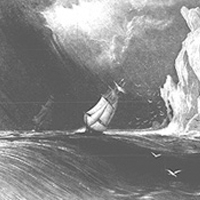
Two Hundred Years Before the Mast: Sea Voyages in the Eighteenth and Nineteenth Centuries (Archived)
“Two Hundred Years Before the Mast” highlights sea voyages of exploration, adventure, and enterprise in the eighteenth and nineteenth centuries as the second phase of sea travel following the two centuries of exploration after Columbus.
Dates:
February 24, 1992 - July 31, 1992
Location:
Special Collections Gallery
Categories:
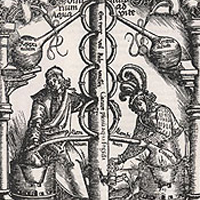
From Liquid to Vapor and Back: Four Centuries of the First Chemical Separation Process (Archived)
This exhibition illustrates one of many research topics supported by the Unidel History of Chemistry Collection. The history of chemical separation, now a highly specialized branch of industrial chemistry, encompasses chemical theory and laboratory practice.
Dates:
February 1, 1991 - May 1, 1991
Location:
Special Collections Gallery
Categories:
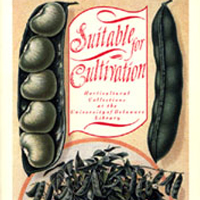
Suitable for Cultivation: Horticultural Collections at the University of Delaware Library (Archived)
In April 1969, with a grant from the Unidel Foundation, the University of Delaware Library acquired a collection consisting of 193 titles relating to the history of American horticulture. This modest group of books, periodicals, trade and seed catalogs formed the core of the Unidel Collection of the History of Horticulture and Landscape Architecture, which over the last two decades has been developed into a collection of remarkable depth.
Dates:
June 1, 1990 - September 1, 1990
Location:
Special Collections Gallery
Categories:
Paul Bowles at 80 (Archived)
“Paul Bowles at 80” celebrates the achievement of Paul Bowles, one of the most distinctive literary voices of the twentieth century, on the occasion of his eightieth birthday. The exhibition also affords an opportunity to bring to scholarly notice a distinguished collection that exemplifies the University of Delaware Library’s collecting program in twentieth-century literature.
Dates:
February 1, 1990 - May 29, 1990
Location:
Special Collections Gallery
Categories:
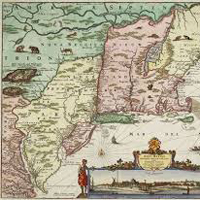
New Sweden: The 350th Anniversary of the Settlement of the Swedes and Finns in Delaware (Archived)
“New Sweden: The 350th Anniversary of the Settlement of the Swedes and Finns in Delaware,” an exhibition of books, pamphlets and maps relating to the Swedish-Finnish colonization on the Delaware River in 1638.
Dates:
March 1, 1988 - July 15, 1988
Location:
Special Collections Gallery
Categories:
Seventy Years at the Hogarth Press: The Press of Virginia and Leonard Woolf (Archived)
The exhibition, “Seventy Years at the Hogarth Press,” which coincides with the publication of a new, expanded edition of Woolmer’s Checklist of the Hogarth Press (1986), provides an opportunity to view over seventy selections from this comprehensive collection of Hogarth Press publications at the University of Delaware Library. “Seventy Years at the Hogarth Press” also provides an occasion to celebrate the heritage and achievement of Leonard and Virginia Woolf’s homespun publishing venture.
Dates:
May 15, 1987 - September 30, 1987
Location:
Special Collections Gallery
Categories:
Treasures of the University of Delaware Library (Archived)
The exhibition demonstrates the richness of the library’s special collections available for students, faculty and friends of the library.
Dates:
October 1, 1986 - April 30, 1987
Location:
Special Collections Gallery
Categories: